
Arthropoda
Etymology
- From the greek name, for its distinctive jointed appendages, Arthron "joint" and Pous "Foot" or "Leg"
General
- 85% of animal species described belong to Arthropoda
- Over 1,000,000,134,000 species identified, found world-wide
- Aquatic species includes Lobsters, Crabs, Hermit Crabs, Crayfish, Shrimps and Barnacles
- Non aquatic species include Insects, Spiders, Scorpions
- Thought to have originated from Annelids
Defining Characteristics
- Bilaterally symmetry (mostly) with a renewable chitinous exoskeleton, a supporting structure on the outside of the body
- Two main body types in the aquatic realm: shrimp like and crab like
- Segmented bodies divided into 2 or 3 sections, known as Tagmosis
- Distinctive jointed appendages, may be modified in a number of ways to form antennae, mouthparts and reproductive organ
- Protostomes, develops mouth before anus
- Most paossess a straight gut with an anus, body cavity has a true coelom
- Do have a nervous system including a brain and ganglia
- Do possess a respiratory system in the form of trachea and spiracles (mostly)
- Do possess a open or lacunar circulatory system with a simple heart, on or more arteries, and no veins (mostly)
Body
- Body possess an external skeleton (mostly), Stiff cuticle, usually a hard outer. Body covering made of chitin and proteins, form an exoskeleton which may or may not be stiffened further with calcium carbonate, like jointed armour.
- Molting: Shedding the exoskeleton to grow, a crucial part of development.
- Segmented bodies with various patterns of segmented fusion (tagmosis) to form integrated units (heads and abdomen)
- Body possesses 3 – 400+ pairs of jointed legs
- Molting: Shedding the exoskeleton to grow, a crucial part of development.
Reproduction / Life Cycle
- Sexual Reproduction: Most common, with separate sexes and internal fertilization, although aquatic species can use external fertilization.
- Asexual Reproduction: Some can reproduce via parthenogenesis, where unfertilized eggs develop (e.g., honey bee drones).
- Sperm Transfer: Can involve direct transfer or indirect methods like spermatophores (sperm packets).
- Metamorphosis: The transformation from larva to adult, allowing different stages to exploit different resources.
- Can take up to 12 stages to metamorphose into adult
- Normally sexual, involving capulation and gonochoristic
Feeding
Feed on everything
Victorian Species
CLASS: Pycnogonida
Scientific Name: Pallenella ambigua Scientific Name: Nymphon sp.
Common Name: Sea Spider Common Name: Sea Spider
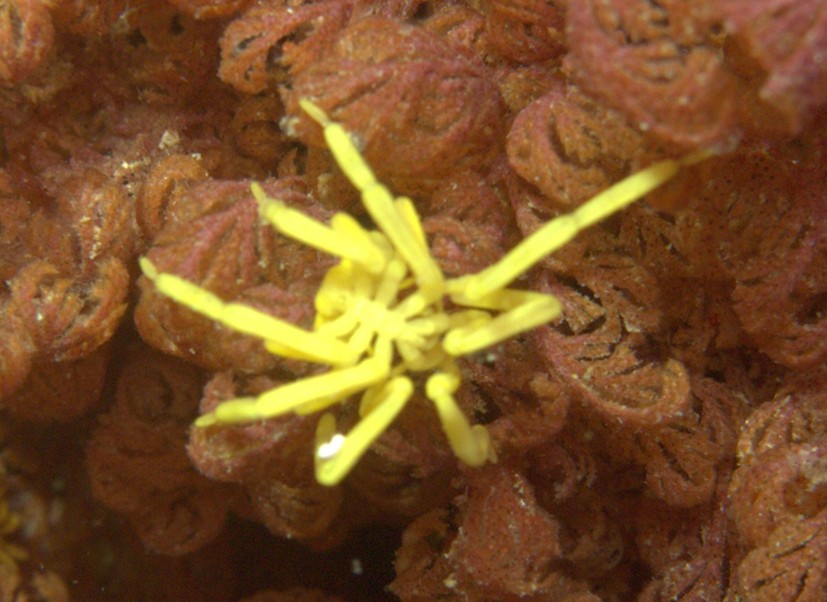
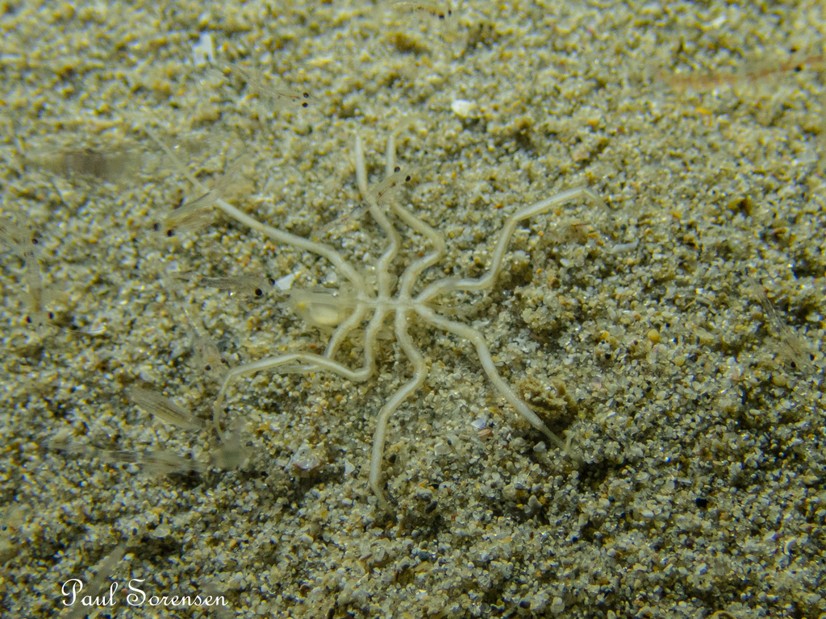
Picture taken at Devils Dropoff on 23.02.2013 Picture taken at Blairgowrie Pier on 10.11.2021
CLASS: Malacostraca
Scientific Name: Jasus edwardsii Scientific Name: Galathea australiensis
Common Name: Southern Rock Lobster Common Name: Straited Squat Lobster
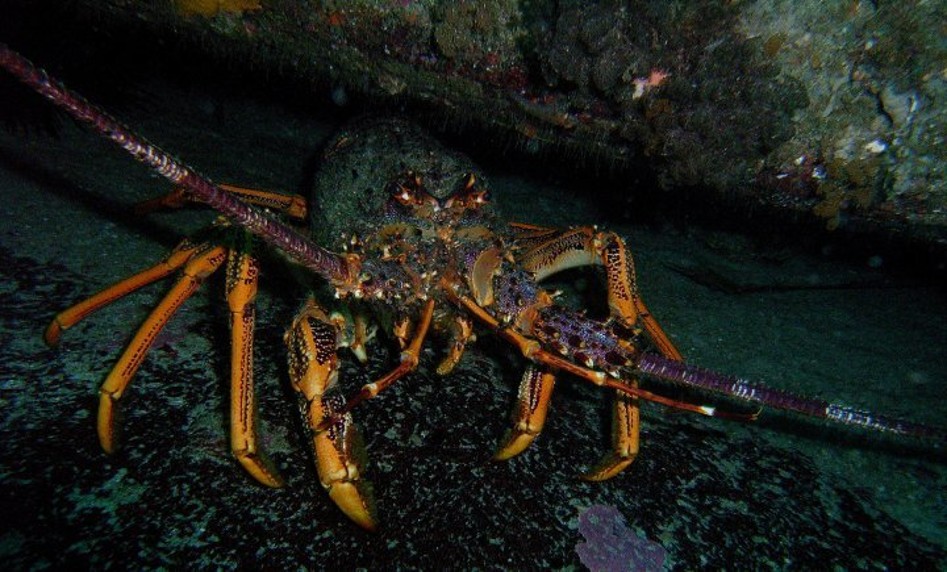
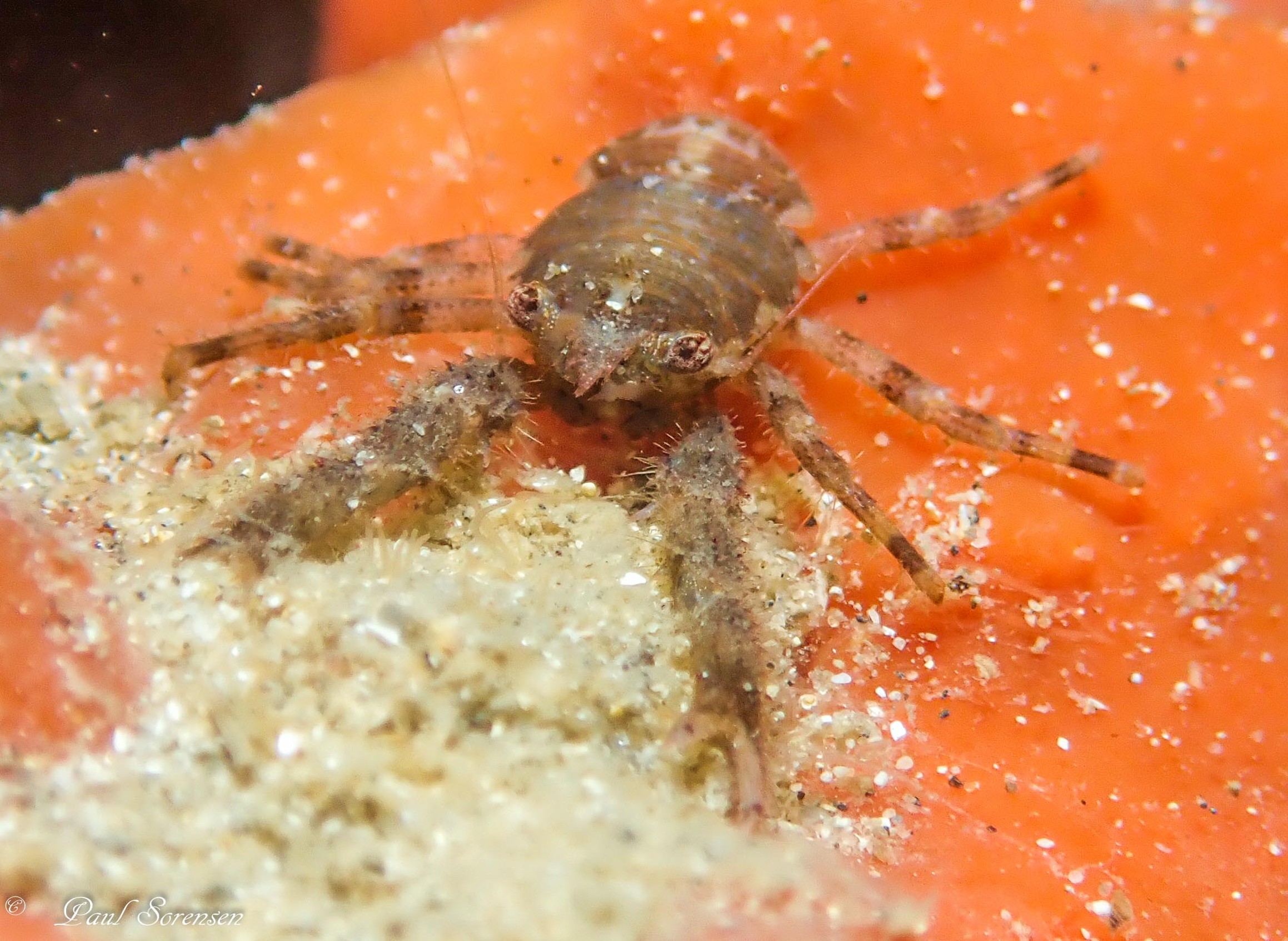
Photo at Boarfish Reef on 10.05.2010 Photo at Blairgowrie Pier on 03.09.2019
Scientific Name: Paguristes frontalis Scientific Name: Strigopagurus strigimanus Scientific Name: Lophopagurus nanus
Common Name: Common Hermit Crab Common Name: Stridulating Hermit Crab Common Name: Pagurid Hermit Crab
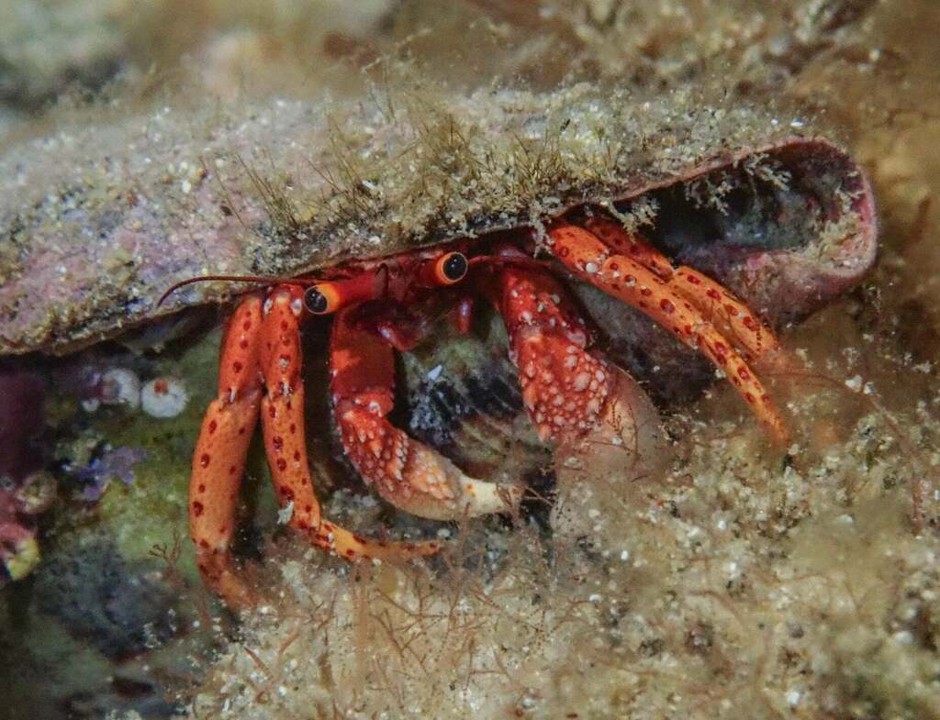
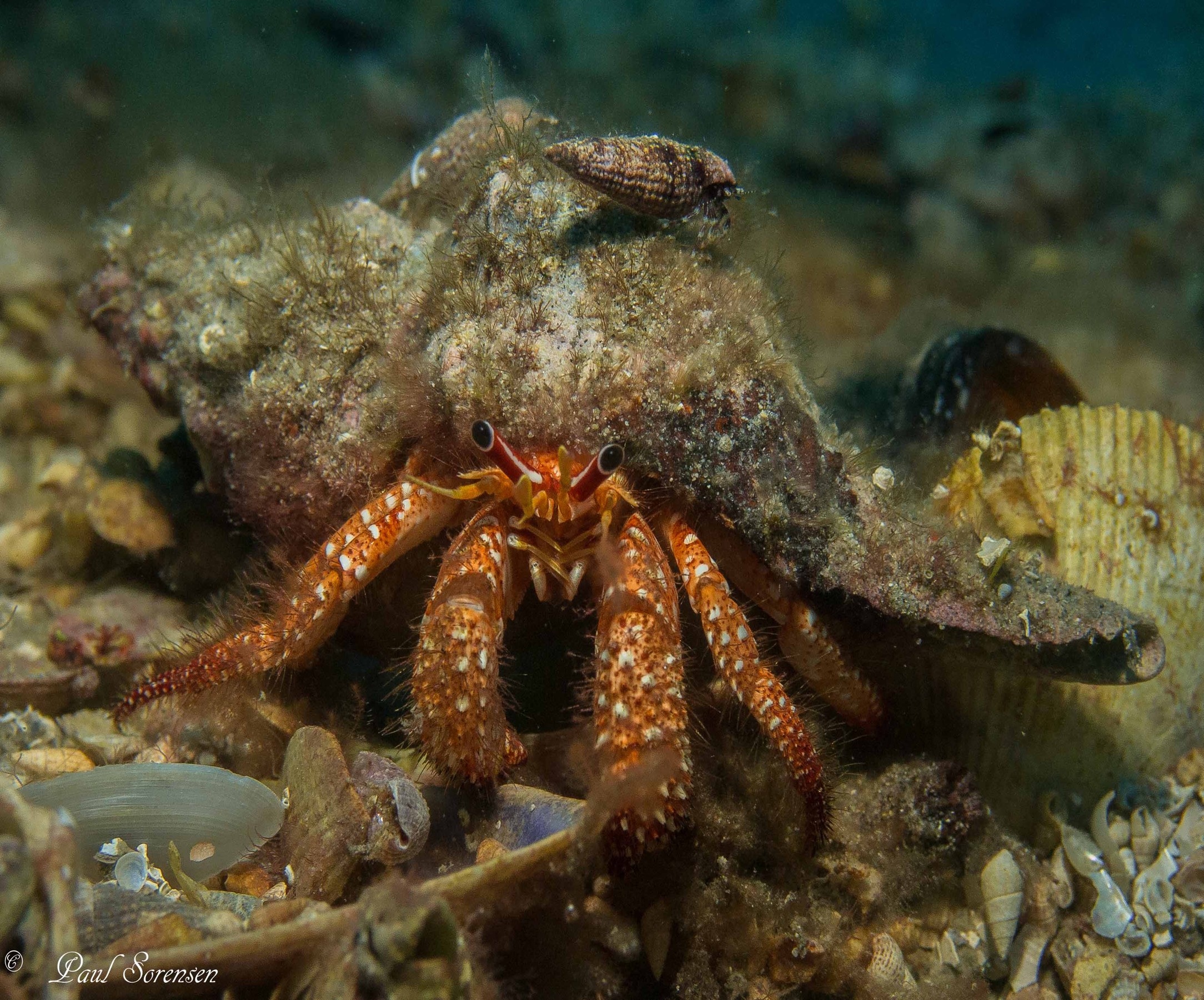
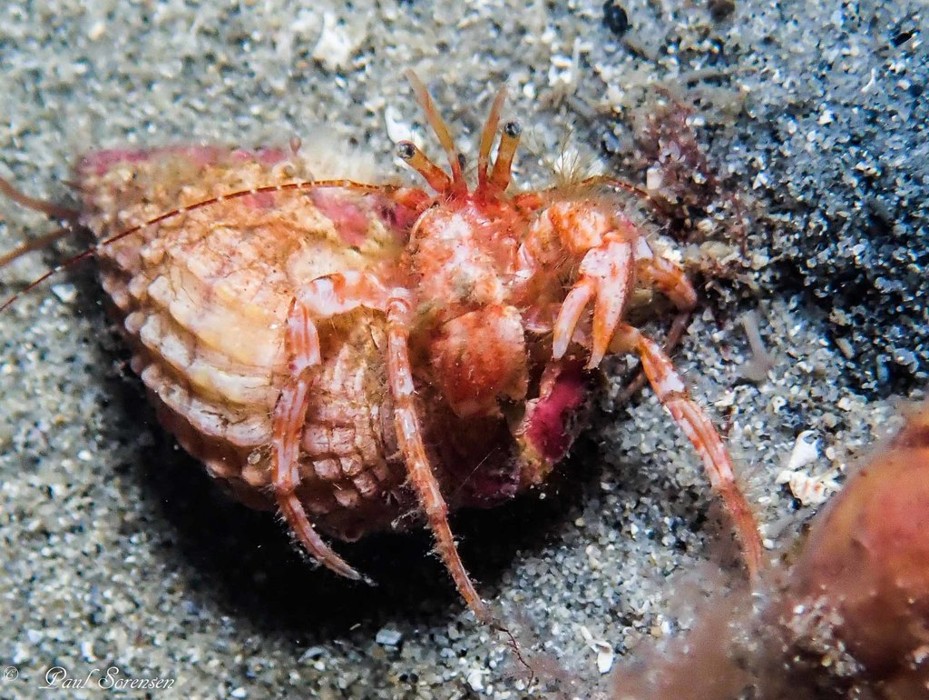
Photo at Blairgowrie Pier on 15.04.2022 Photo at Blairgowrie Pier on 17.04.2013 Photo at Blairgowrie Pier on 03.09.2019
Scientific Name: Pagurixus handrecki
Common Name: Clarrie’s Hermit Crab
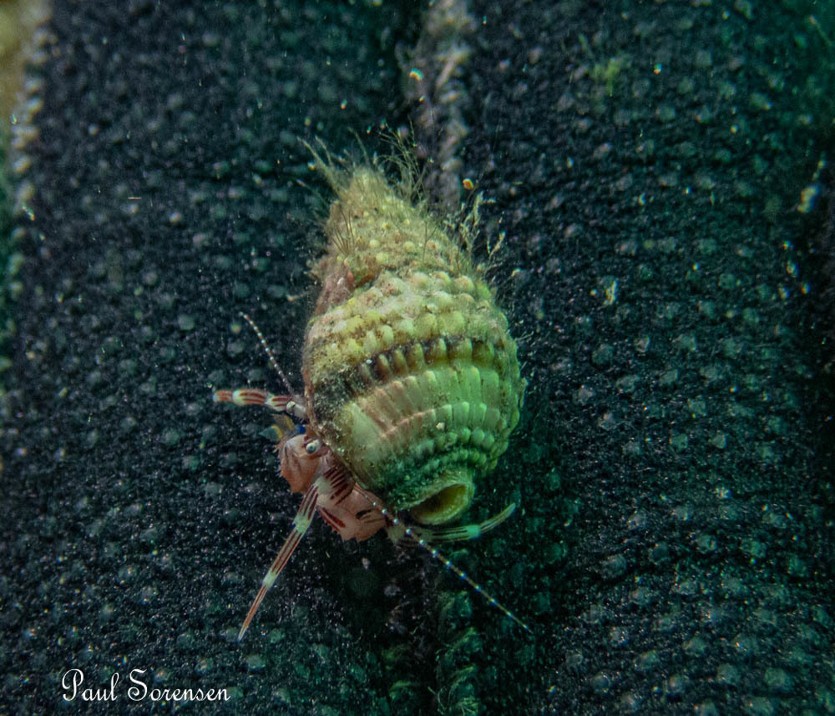
Photo at Mornington Pier on 03.10.2020
Scientific Name: Engaeus sp.
Common Name: Australian Burrowing Crayfishes
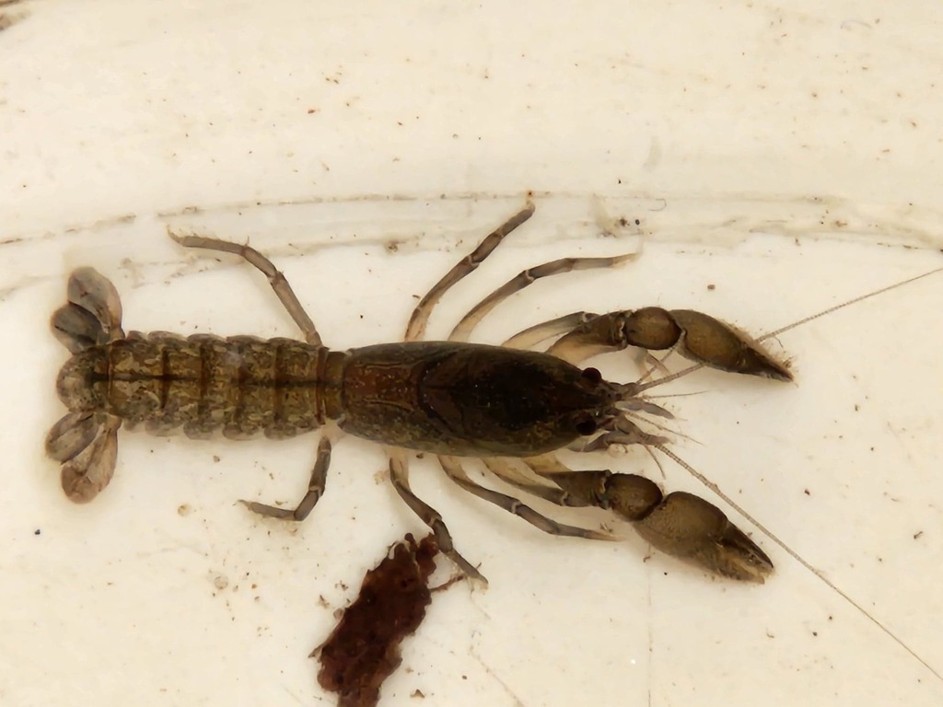
Photo at Sweetwater Creek on 11.09.2022
Scientific Name: Trypaea australiensis
Common Name: Yabby, Australian Ghost Shrimp
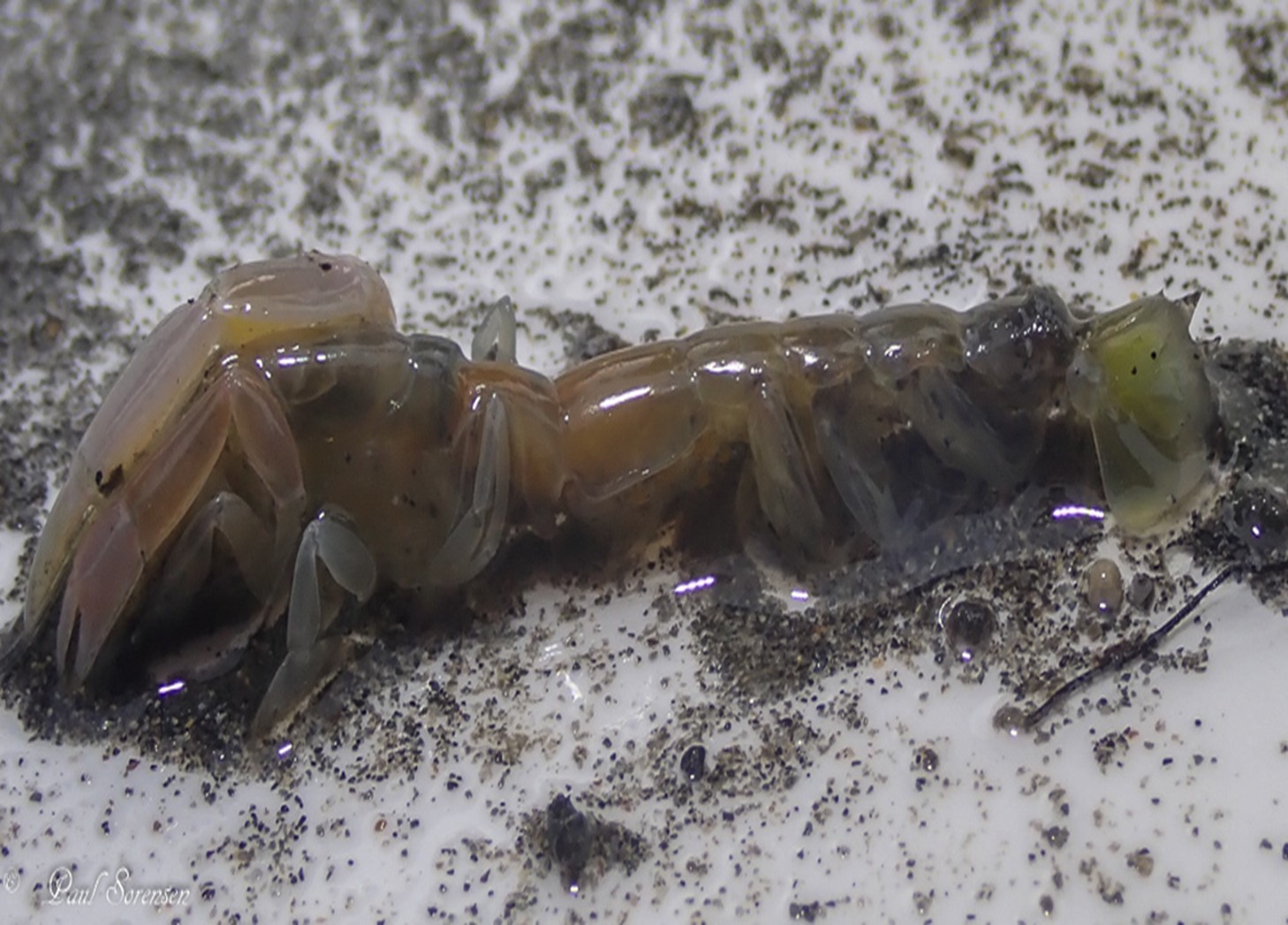
Photo at Barwon Heads on 01.10.2019
Scientific Name: Halicarcinus ovatus
Common Name: Three-pronged Spider Crab
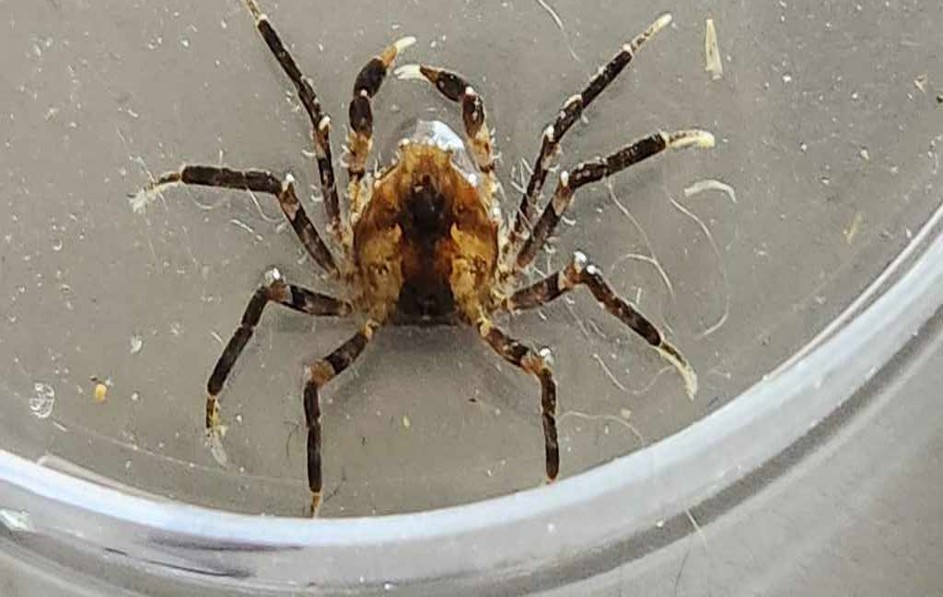
Photo at Blairgowrie Pier on 02.07.2024
Scientific Name: Trigonoplax longirostris
Common Name: Crab
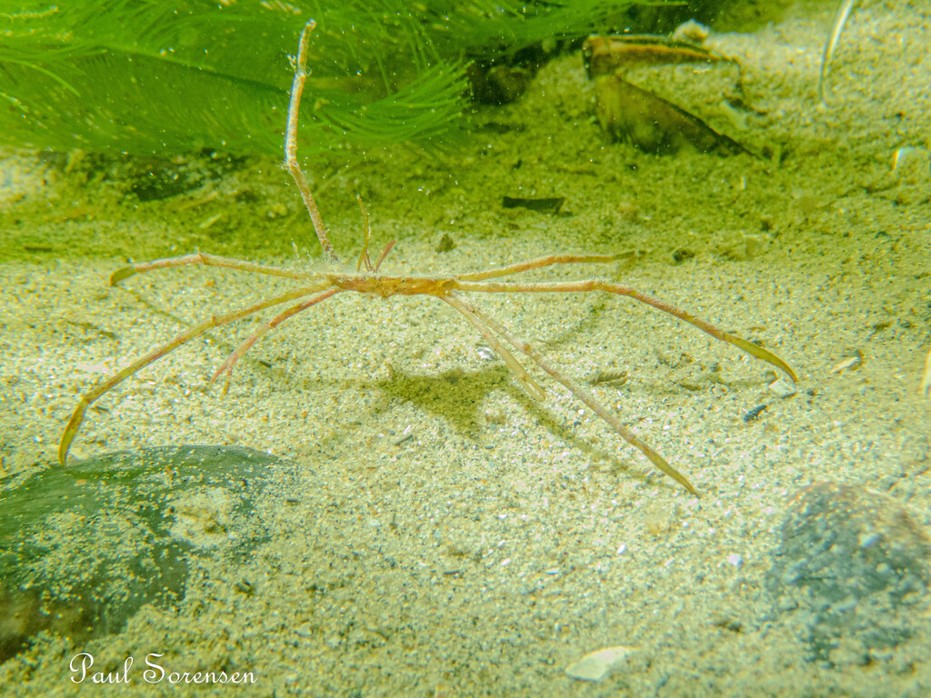
Photo at Blairgowrie Pier on 31.10.2022
FAMILY: Leucosiidea (Purse Crabs)
Scientific Name: Ebalia intermedia
Common Name: Smooth Nut Crab
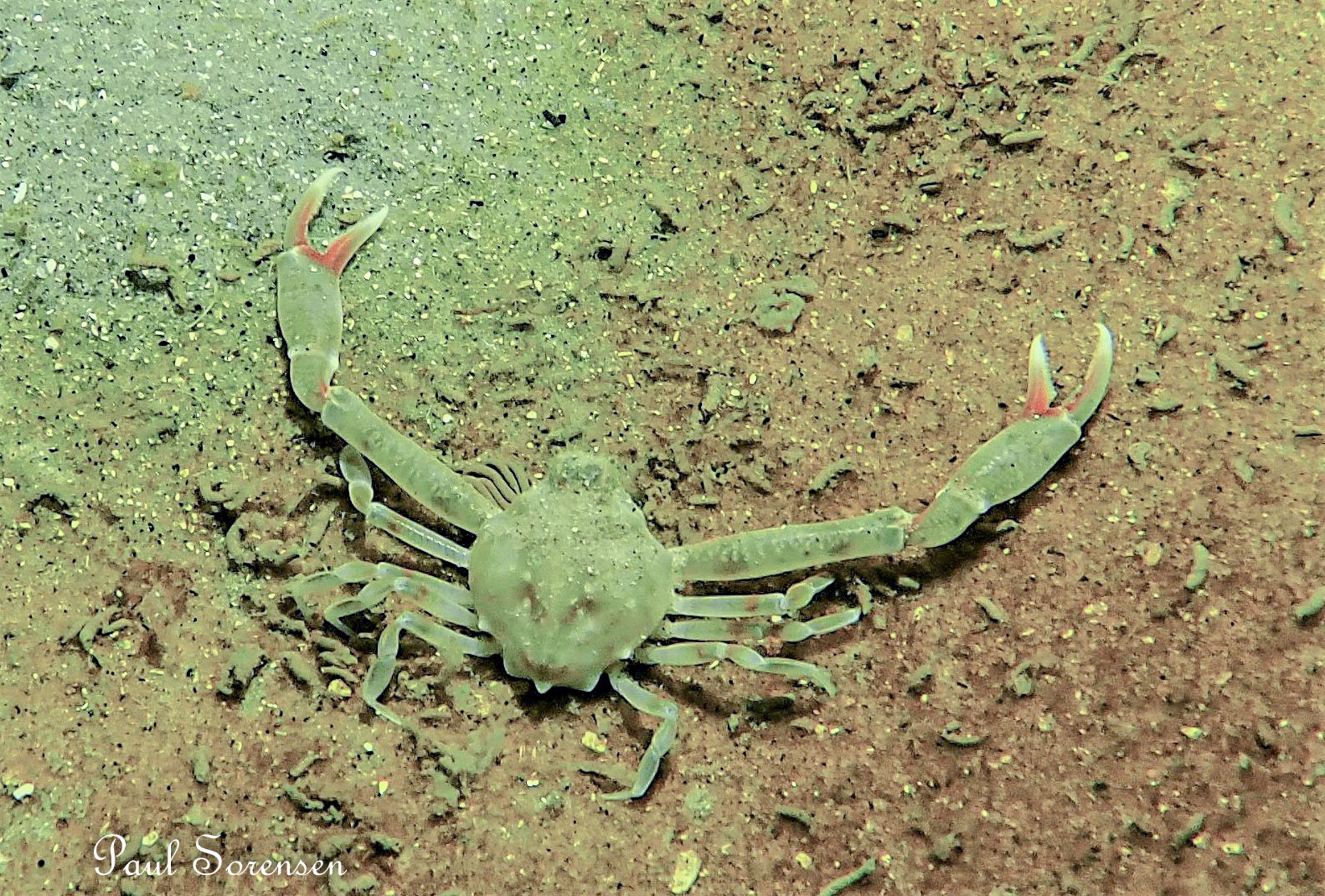
Photo at Franskton Pier on 14.06.2021
FAMILY: Majidae - Spider & Decorator Crabs
Scientific Name: Leptomithrax gaimardii Scientific Name: Microhalimus deflexifrons Scientific Name: Naxia aurita
Common Name: Giant Spider Crab Common Name: Decorator Crab Common Name: Golden Decorator Crab


Photo at Rye Pier on 22.05.2020 Photo at Blairgowrie Pier on uknown date Photo at Blairgowrie Pier on 02.10.2021
Order: Stomatopoda Mantis Shrimps
Family: Nannosquillidae Mantis Shrimps
Scientific Name: Austrosquilla osculans
Common Name: Slender Mantis Shrimp
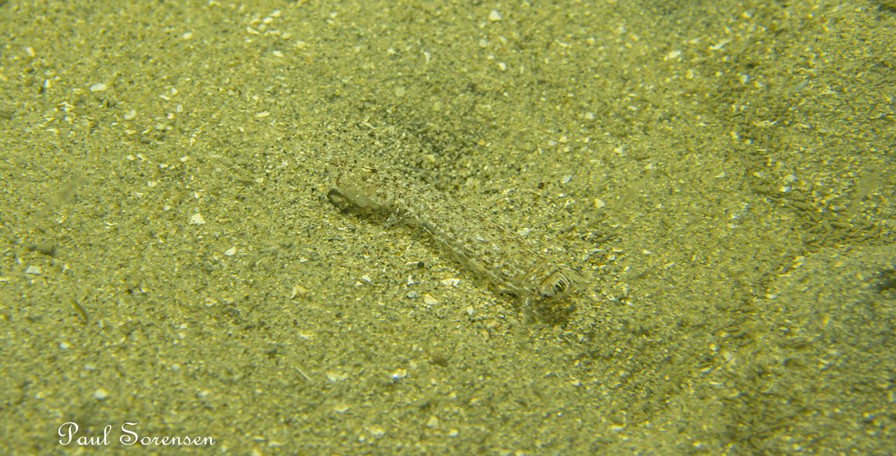
Scientific Name: Hadrosquilla perpasta
Common Name: Mantis Shrimp
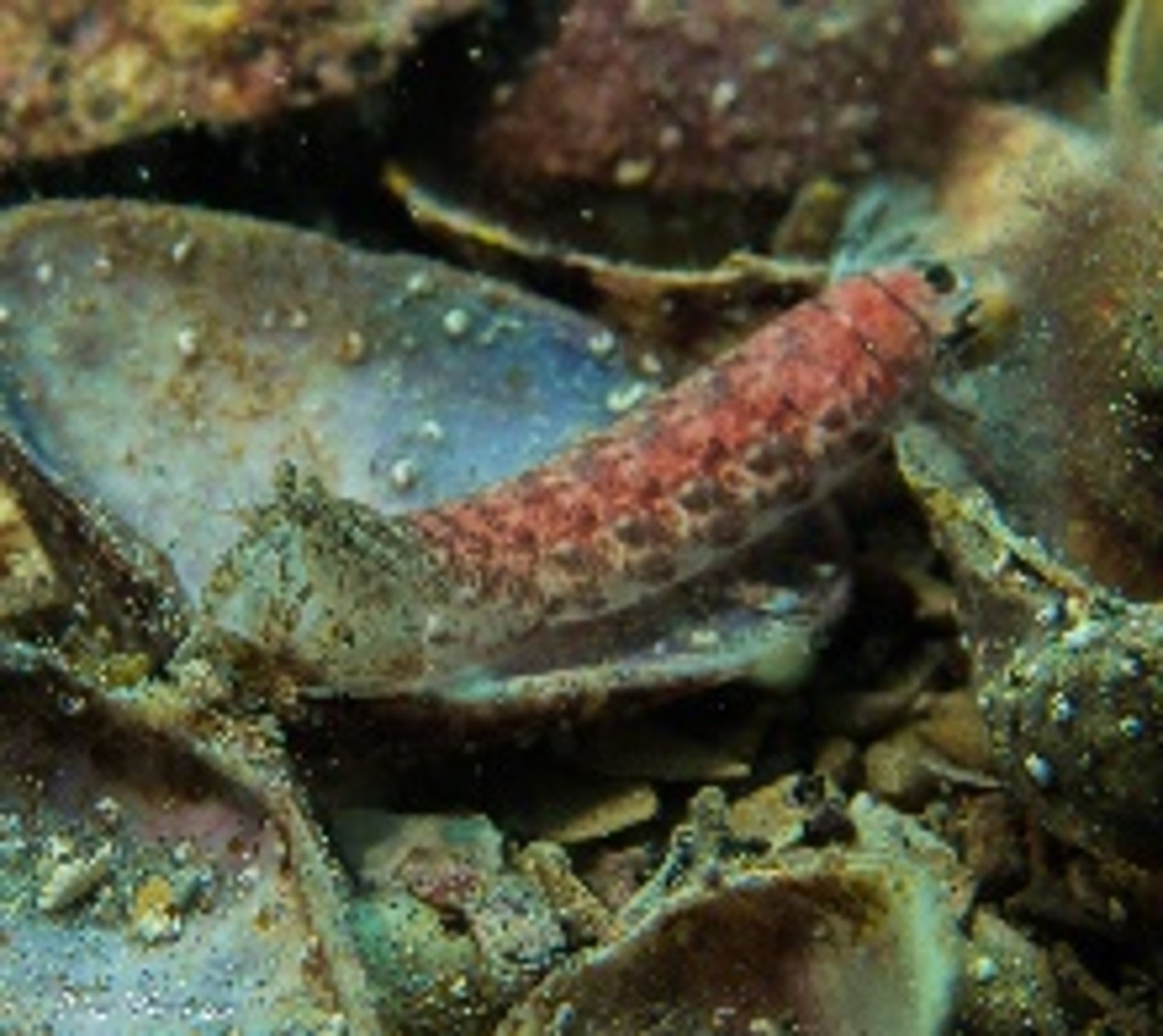
Photo taken at Blairgoarie Pier
Family: Squillidae Mantis Shrimps
Scientific Name: Distosquilla miles
Common Name: Mantis Shrimp
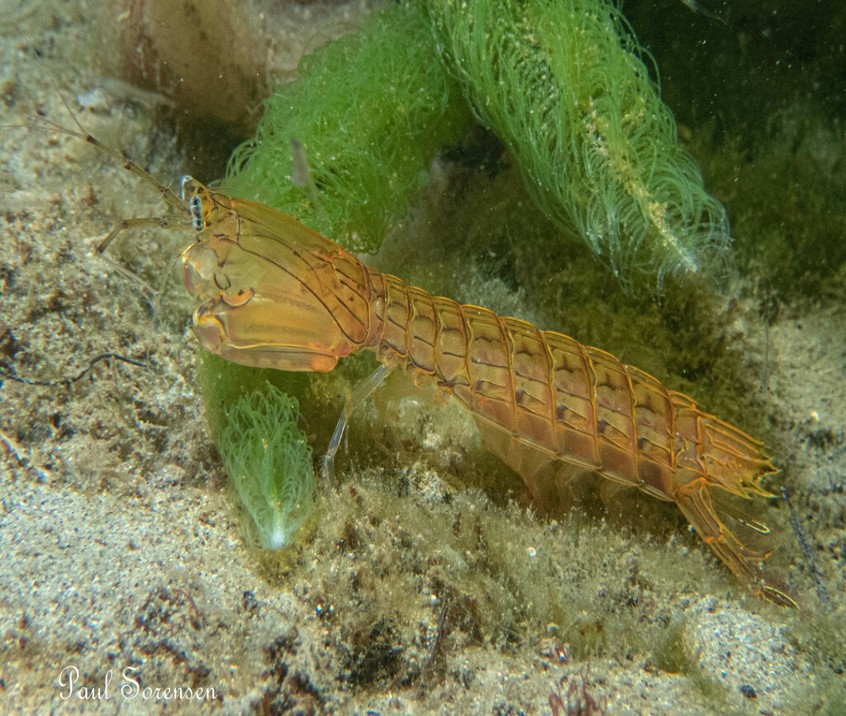
Photo taken at Blairgowrie Pier on 22.10.2022