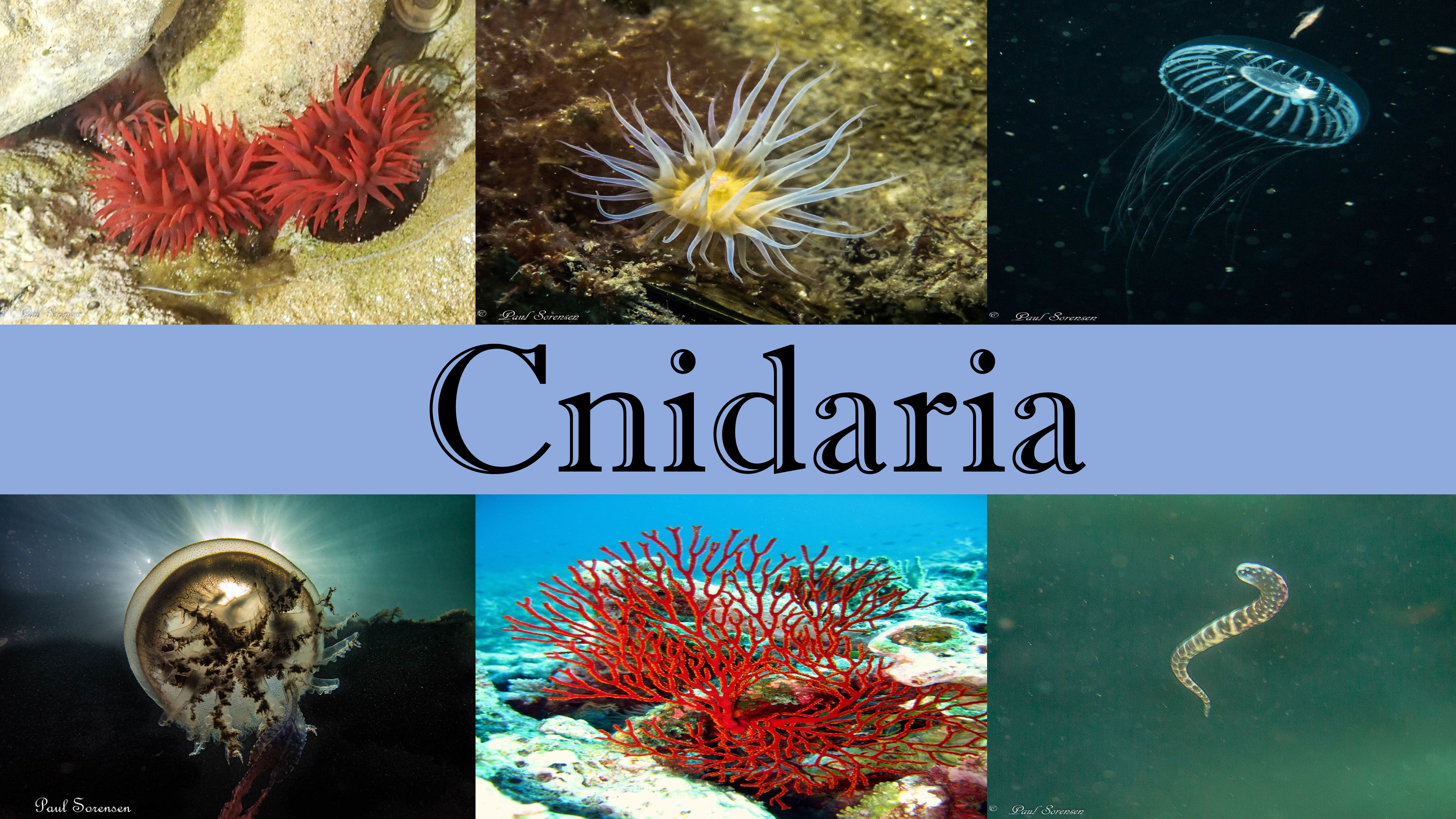
Cnidaria - Jellyfish & Anemones
> Phylum: Cnidaria Hatschek, 1888
Etymology
- From the Greek word “Cnidos” means stinging nettle
General
- Containing over 9,000 species (MESC 2021)
- Oldest clade of animals with ‘true tissue’
- Includes corals, hydras, jellyfish, Portuguese men-of-war, sea anemones, sea pens, sea whips and sea fans
Distribution
- Found all around the Earths oceans
- All Aquatic, mostly marine approximately 20 freshwater species (Hydra) (MESC 2021)
- Ranging from shallow coastal waters to deep ocean floors
Habitat
- Some are solitary (sea anemones), some conical (corals)
- Some are sessile (fixed to a substance) or free-swimming
- Range from coral reefs, rocky shores, and the open water column
Defining Characteristics
- Stinging soft bodied invertebrates
- Presence of cnidoblasts with stinging nematocysts on the tentacles
- Mostly radially symmetry, however sea anemones exhibit biradial symmetry, some exceptions eg. blue bottle
- Diploblastic animals and show tissue level (grade) of organization
- Polymorphism and have two body forms, i.e. polyp and medusa
- Made up of 98% water
- Exoskeleton chitinous (perisarc) or calcareous (corals)
Phylum Cnidaria can be divided into:
Subclass Anthozoa Anemones & Corals
Subclass Hydrozoa Hydras & Portuguese Man of Wars
Subclass Cubozoa Box Jellyfish
Subclass: Anthozoa True Corals, Sea Anemones & Sea Pens
Class: Hexacorallia
Order: Actiniaria Sea Anemones
Order: Antopatharia Black Corals and Thorny Corals
Order: Ceriantharia Tube-Dwelling Anemones
Family: Cerianthidae
Genus: Cerianthus
Cerianthus sp. _ Tube Dwelling Anemones
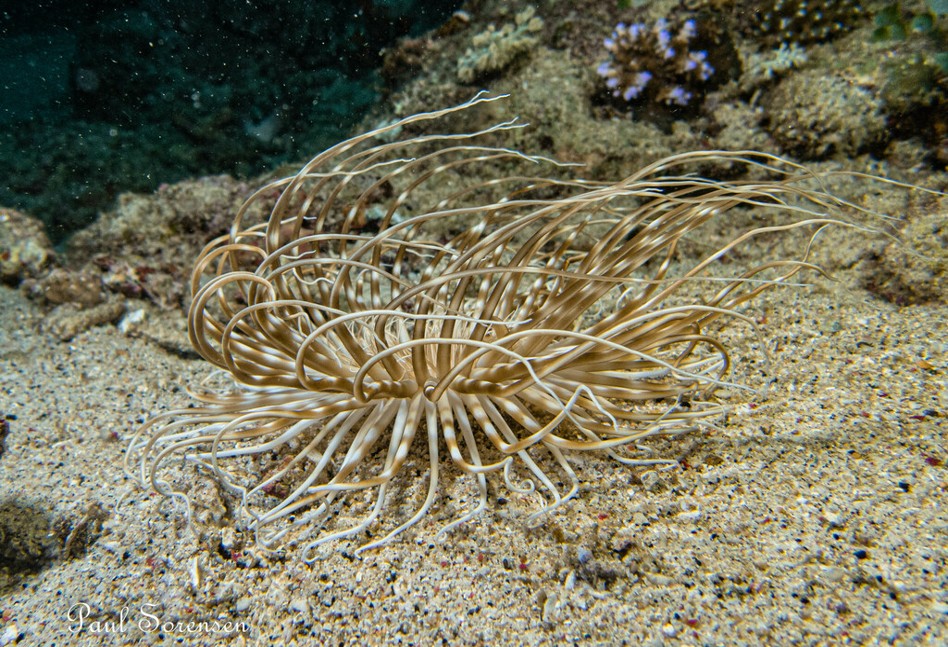
Photo taken Puerto Galera Philippines on 10/10/2022
Order: Corallimorpharia
Order: Scleractinia Stony Corals
Order: Zoantharia Zoanthids
Class: Octocoraliia
Phlyctenactis tuberculosa_Wandering Sea Anemone Phlyctenactis tuberculosa_Wandering Sea Anemone
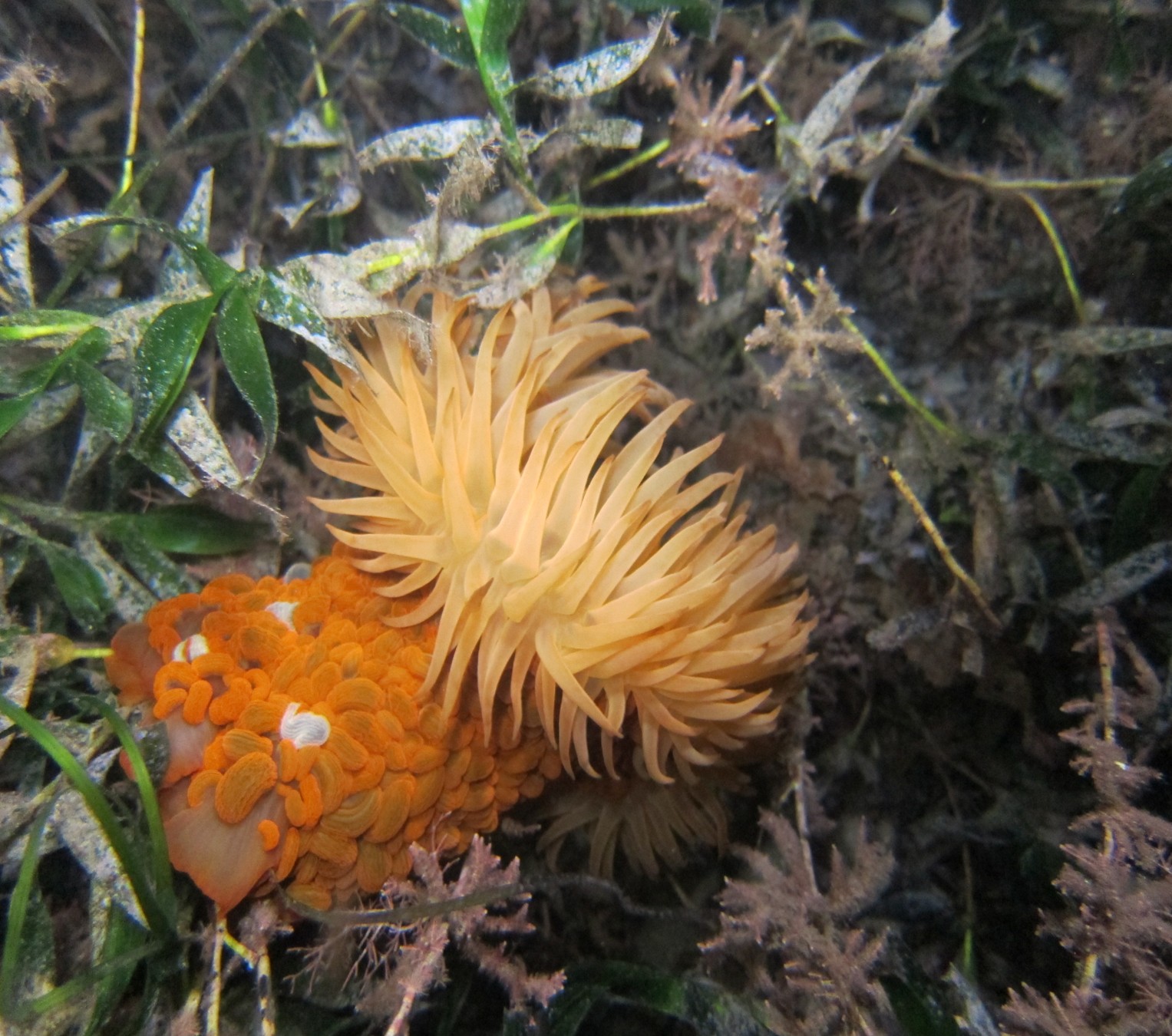
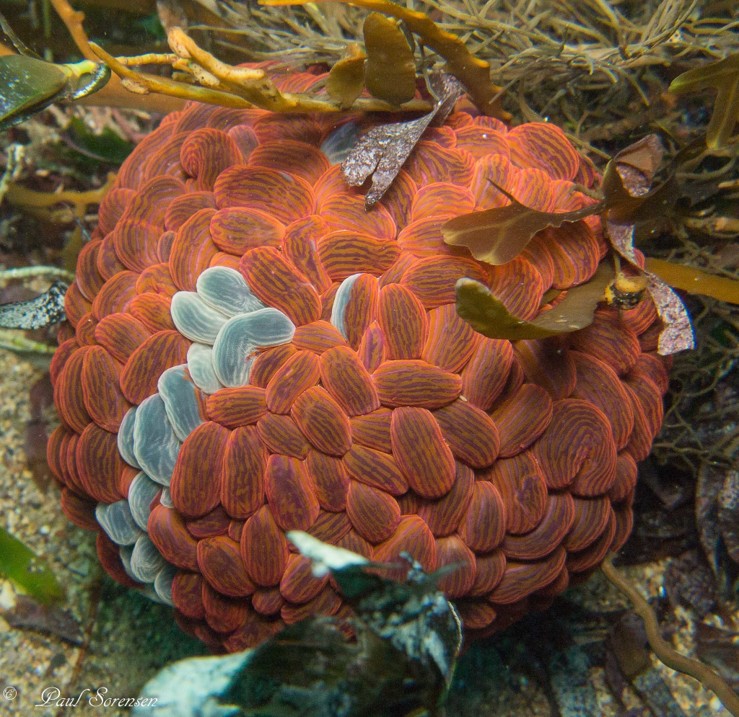
Photo taken at Flinders Pier 29.11.2014 Photo taken at Flinders Pier 07.02.2015
Edwardsia vivipar
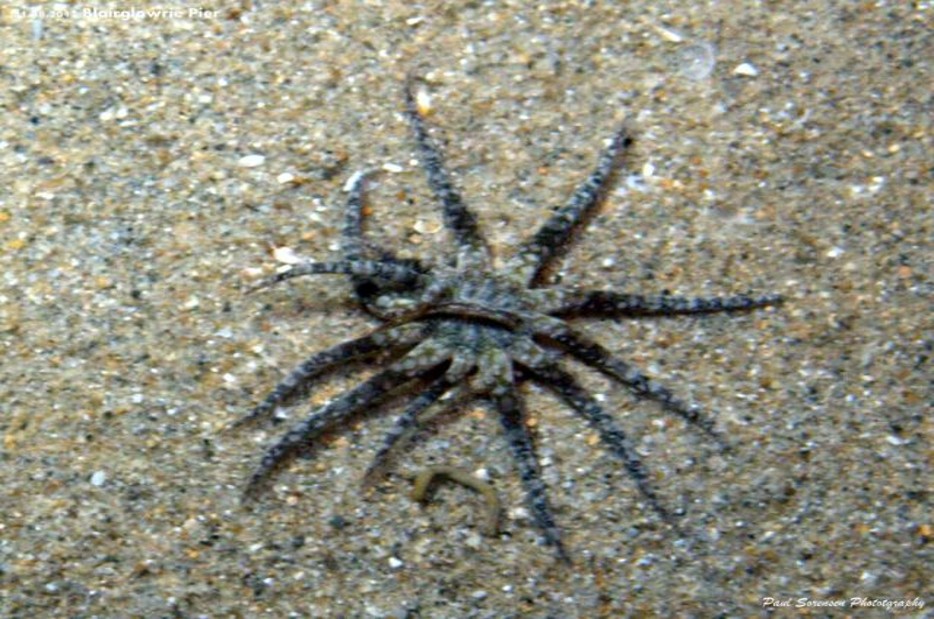
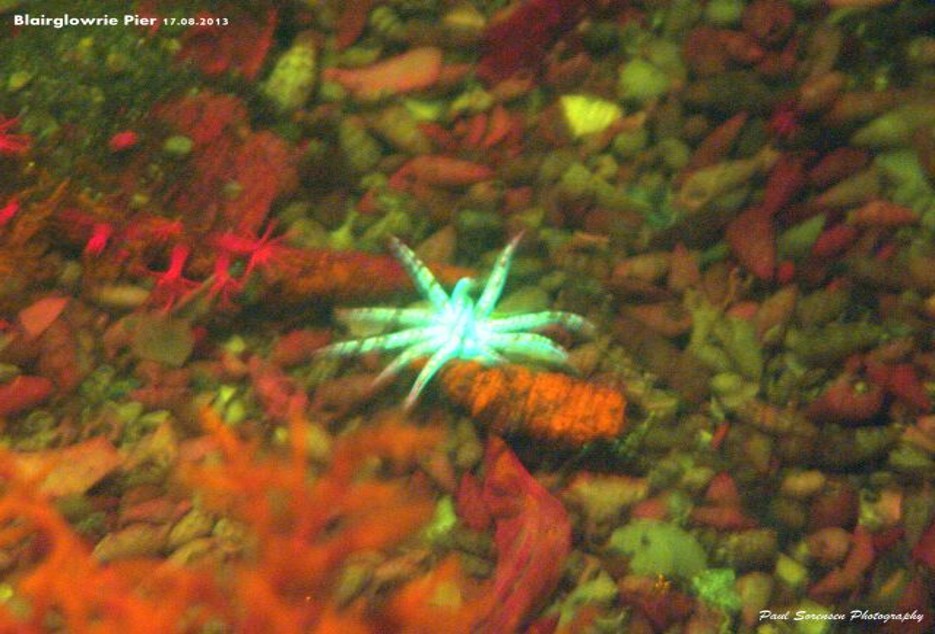
Photo taken at Blairgowrie Pier 17.08.2013
Actinia tenebrosa, Waratah Anemone Actinia veratra, Anemone
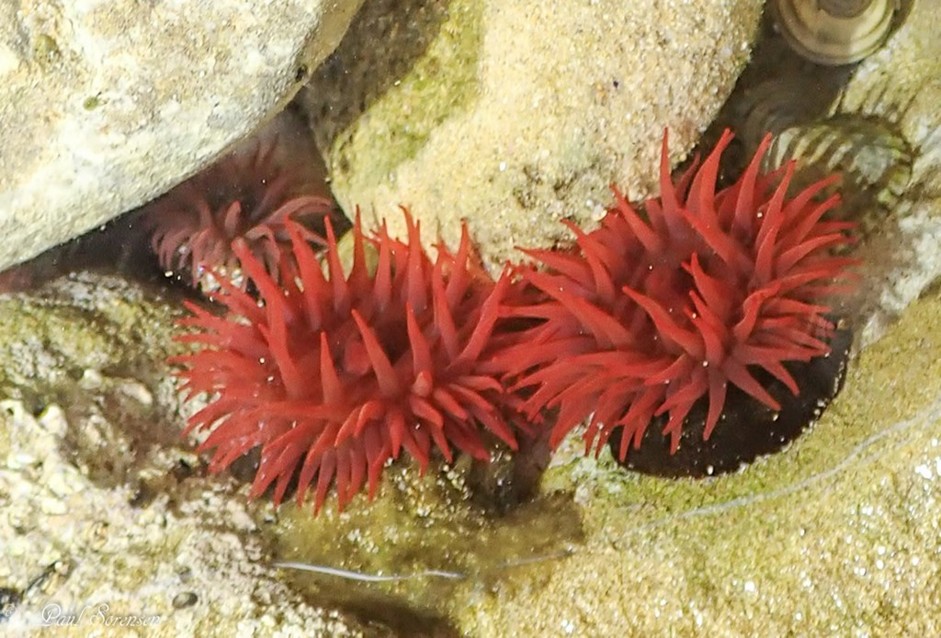
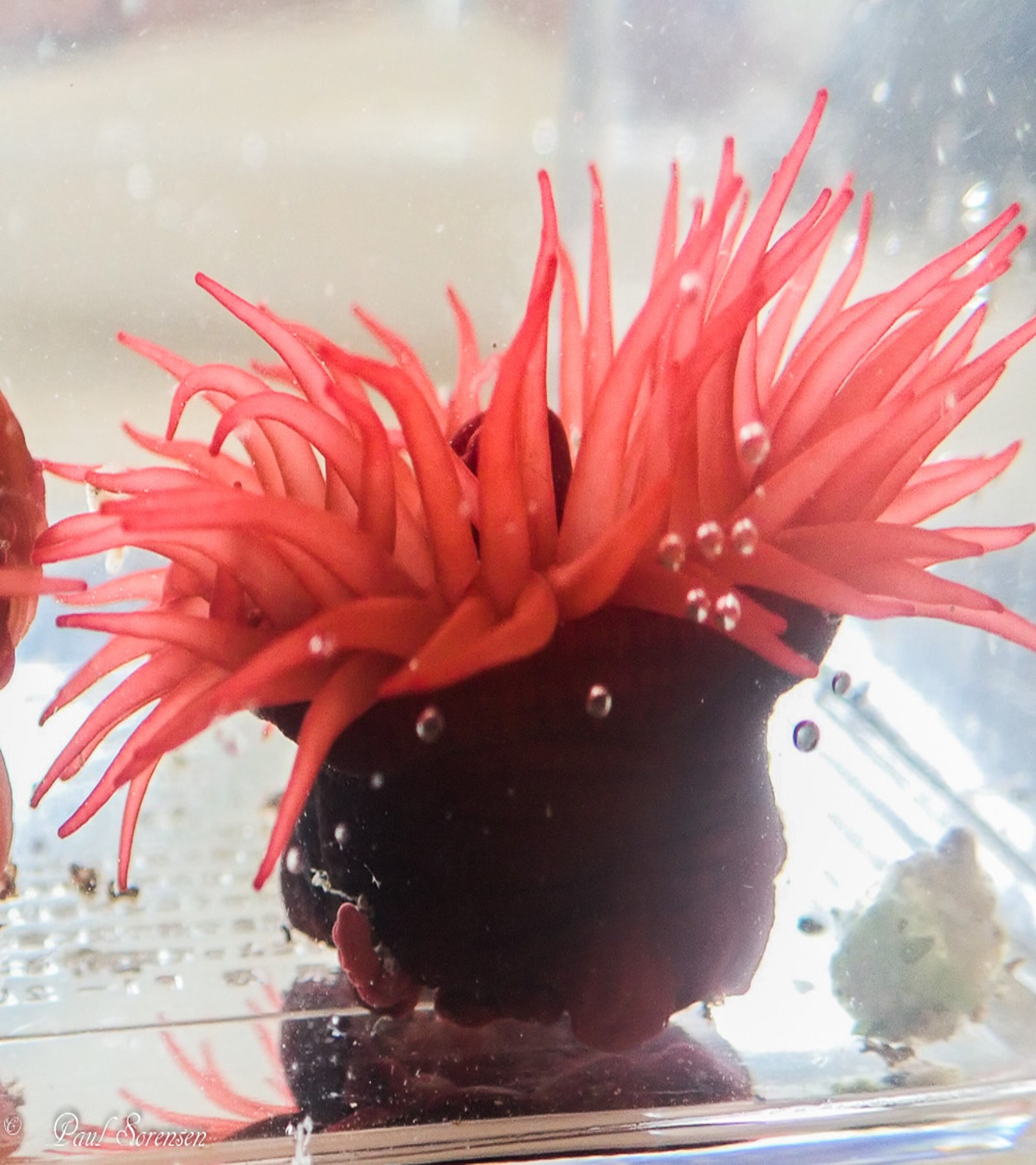
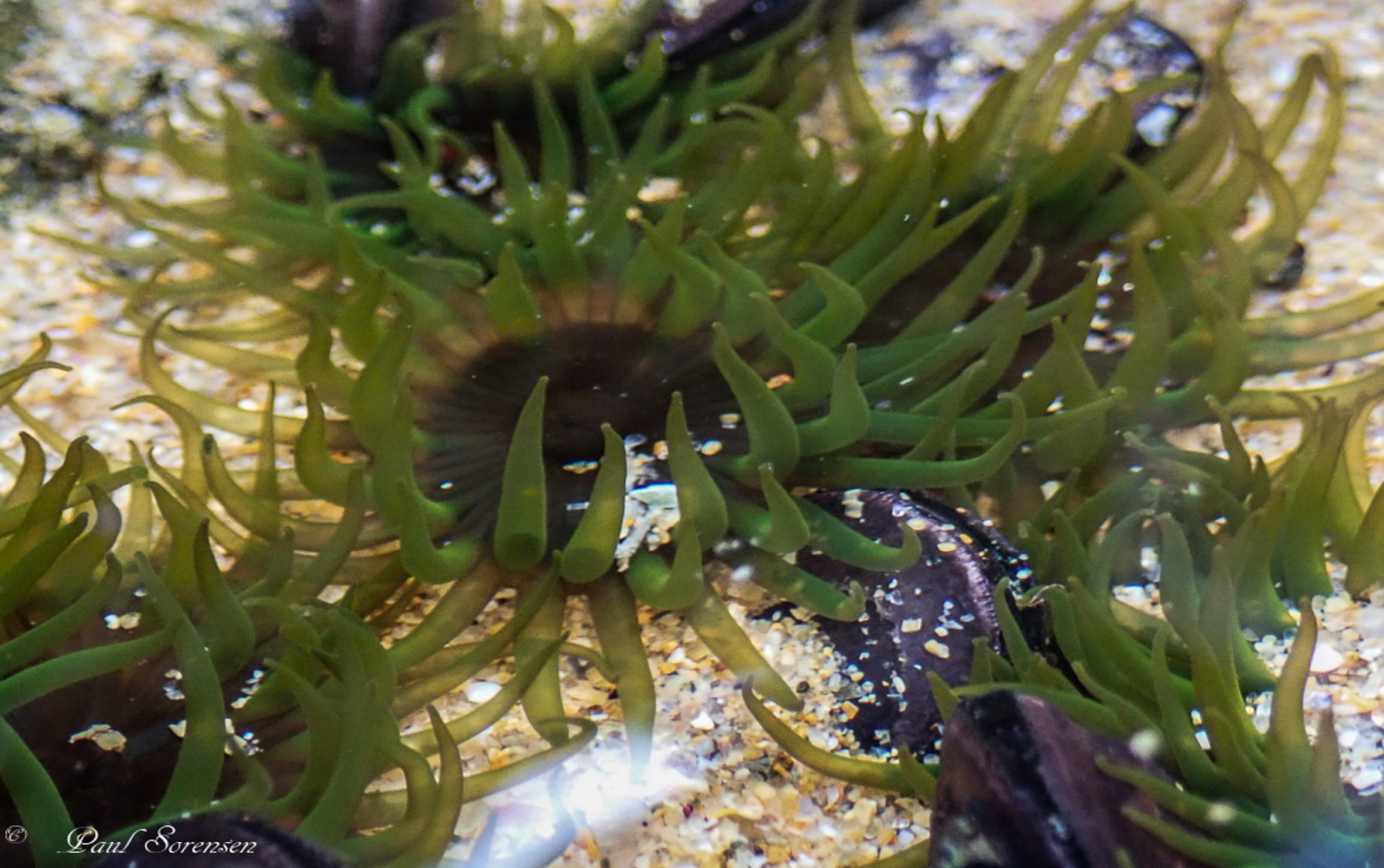
Photo taken at Barwon Heads 01.10.2018 Photo taken at Queenscliff Labs 01.10.2018 Photo taken at Barwon Heads 01.10.2018
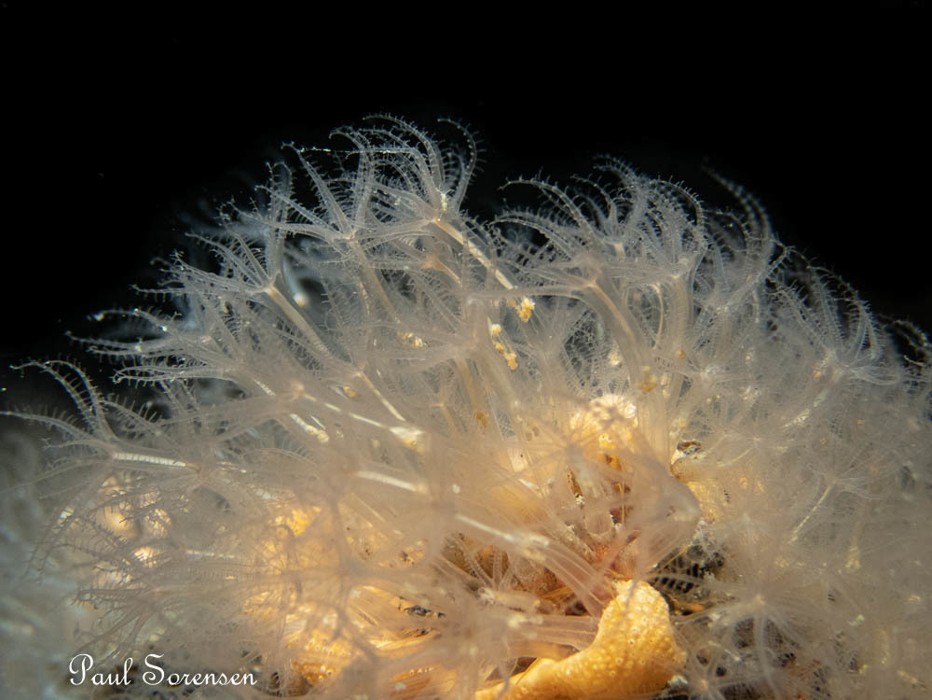
Photo taken at Mornington Pier 01.10.2018
Anemonactis clavus, Anemone
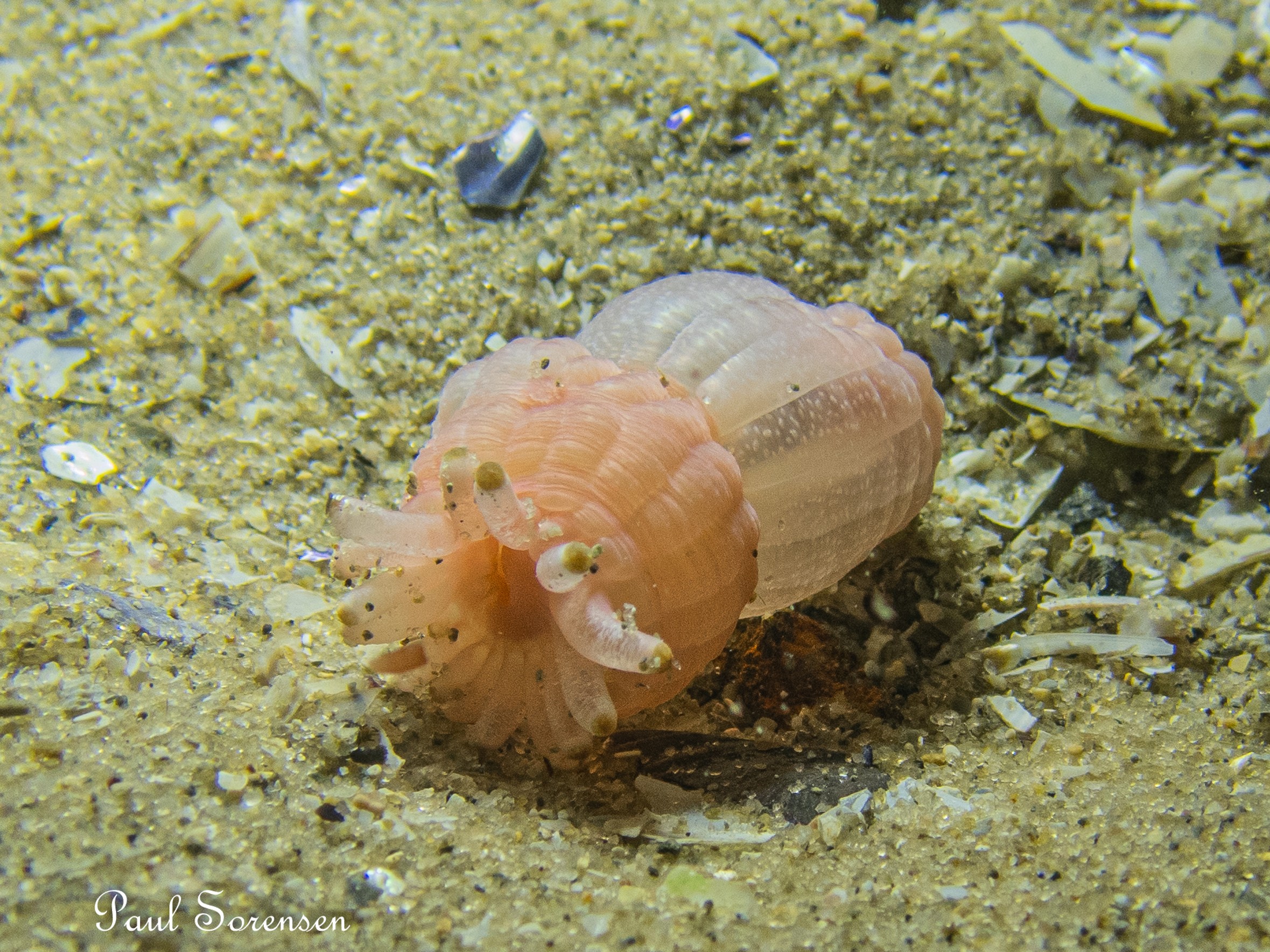
Photo taken at Rye Pier 02.10.2021
CLASS: Hydrozoa
Hydras & Portuguese Man of Wars
Tubulariidae sp.
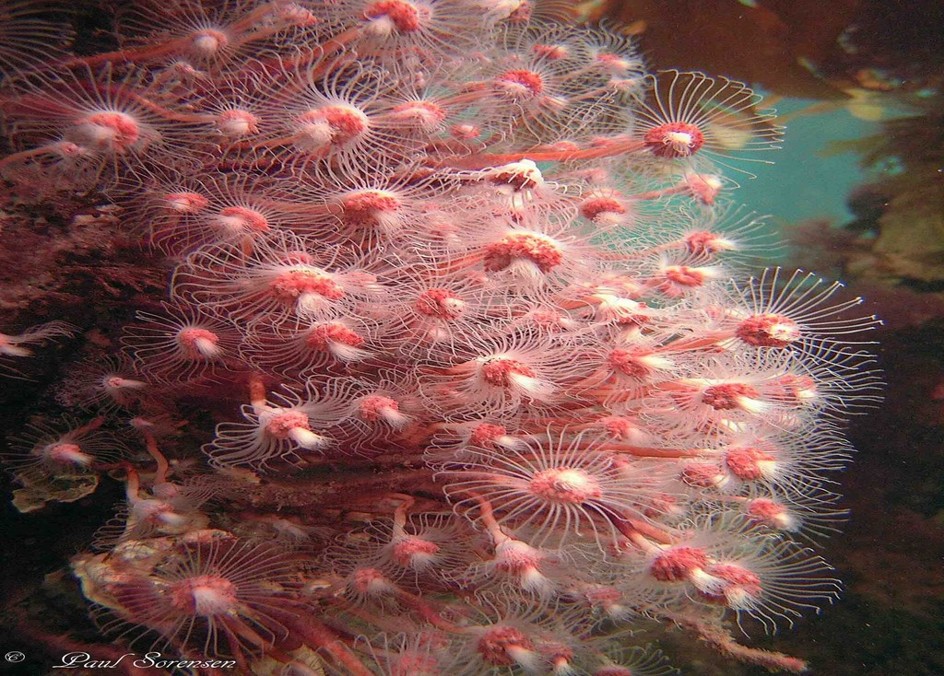
Photo taken Flinders Pier 27.09.2021
CLASS: Scyphozoa
Moon Jellfish & Purple jellyfish
Pseudorhiza haeckeli_Haeckel's Jelly Lion’s Mane jellyfish, Cyanea Annaskala
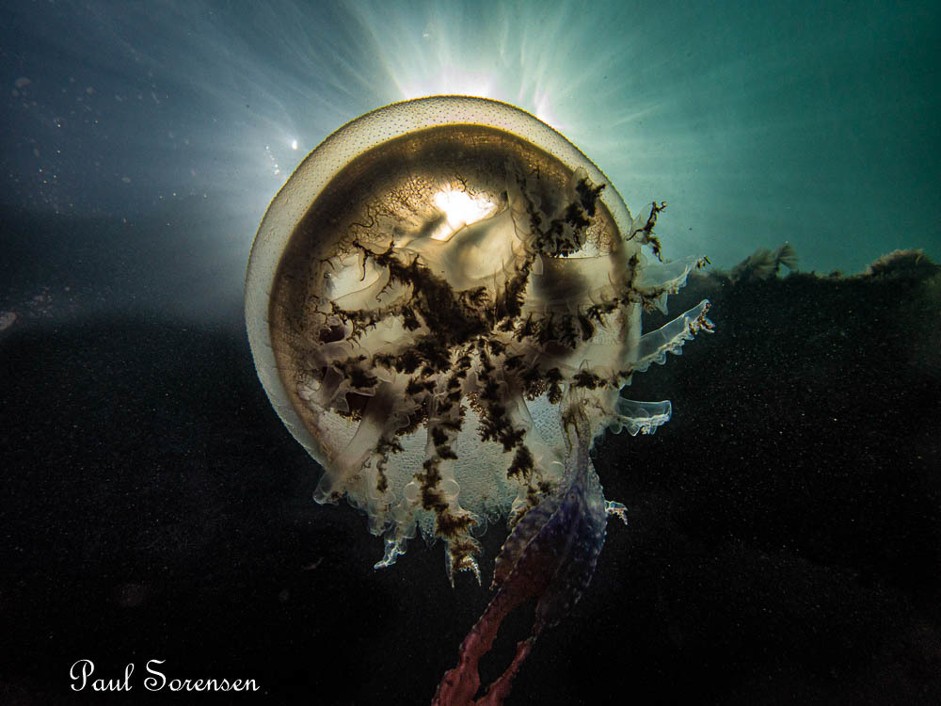
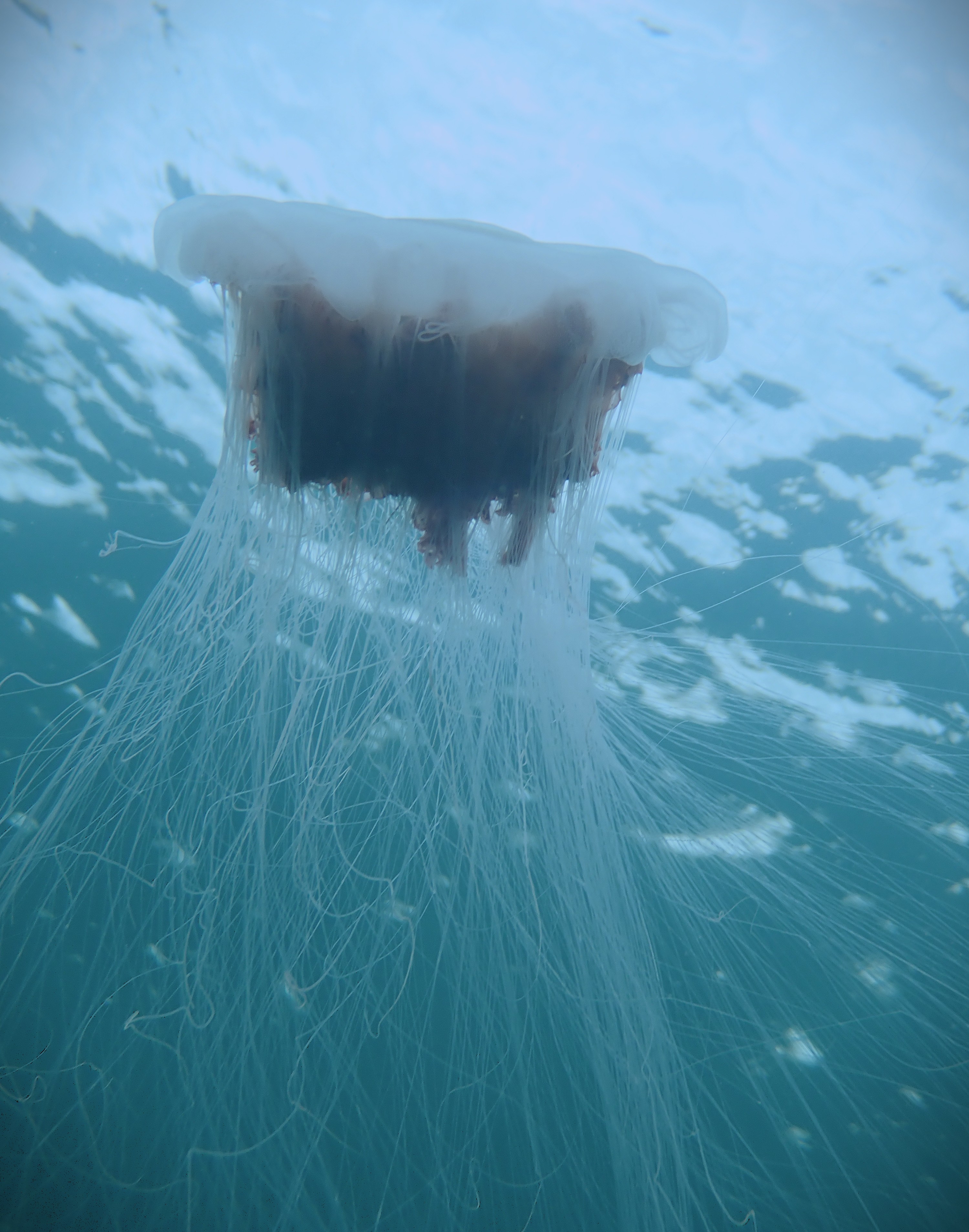
Photo Photo taken at Ranelagh Reef