
Annelids - Segmented Worms
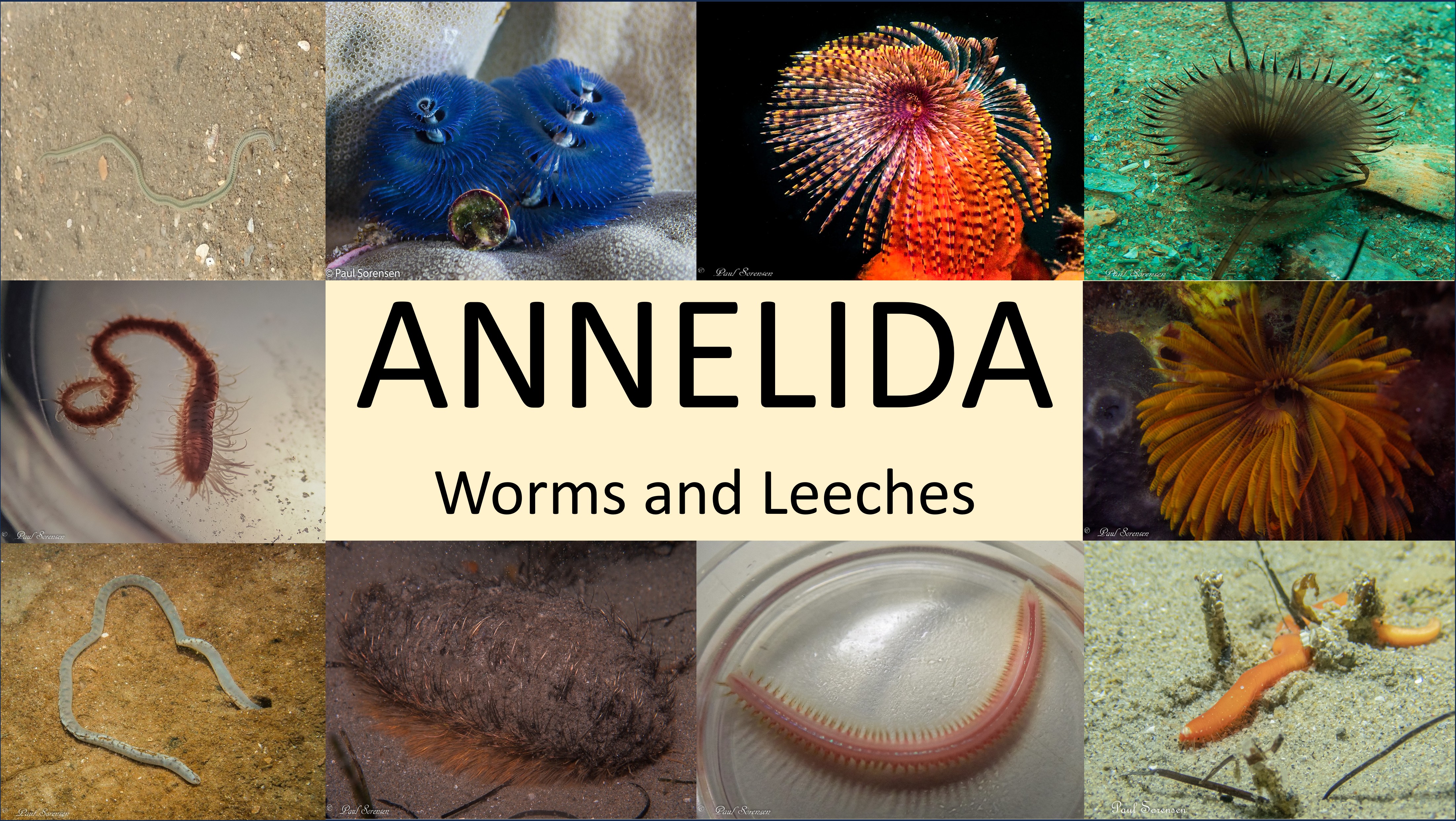
Phylum: Annelida (Lamarck, 1802)
General Information
- Latin: Annulus = Little Ring
- Also known as ringed worms or segmented worms
- Includes earthworms, leeches, marine worms
- Approximately 15,000 + species, ranging in size from microscopic (less than 1mm) to the Australian giant Gippsland earthworm (3m long)
- 2/3 of annelids are marine species
Distribution
- Found worldwide
Habitat
- Live in a diversity of freshwater, brackish, marine, and terrestrial habitats
- From the deepest marine sediments to soils in your backyard
Distinguishing Features
- The Annelids are coelomate and triploblastic.
- Bilaterally symmetrical
- They exhibit organ system level organization. (when two or more organs work together for a specific function).
- Their body is segmented.
- Do have parapodia for locomotion
- Invertebrate
- Long cylindrical shaped bodies made up of many similar segments
- Has Chaetae (setae) (bristles for anchorage, movement and sometimes defence)
- No hard skeleton exoskeleton (unlike Arthropoda)
- No antennae, no appendages (legs)
- No obvious head end
Annelids are divided into 3 groups (2 of which are terrestrial)
- Class: Clitellata (having a Clitellum) - Worms and Leeches
- Subclass: Hirudinidea - Leeches
- Subclass: Oligochaeta - Worms
- Class: Polychaeta (pol-ee-keets) - Marine worms
- Subclass: Echiura - Spoon Worms
- Subclass: Errantia - Free Swimming Worms
- Subclass: Sedentaria - Sedentary Worms
- Order: Sipuncula - Peanut worms
Class: Clitellata Worms and Leeches
Subclass: Hirudinea Leeches
Infraclass: Euhirudinea True Leeches
Order: Rhynchobdellida Jawless Leeches
Family: Glossiphoniidae Freshwater Jawless Leeches
Glossiphonia sp. _ Freshwater Leech - VICTORIAN SPECIES
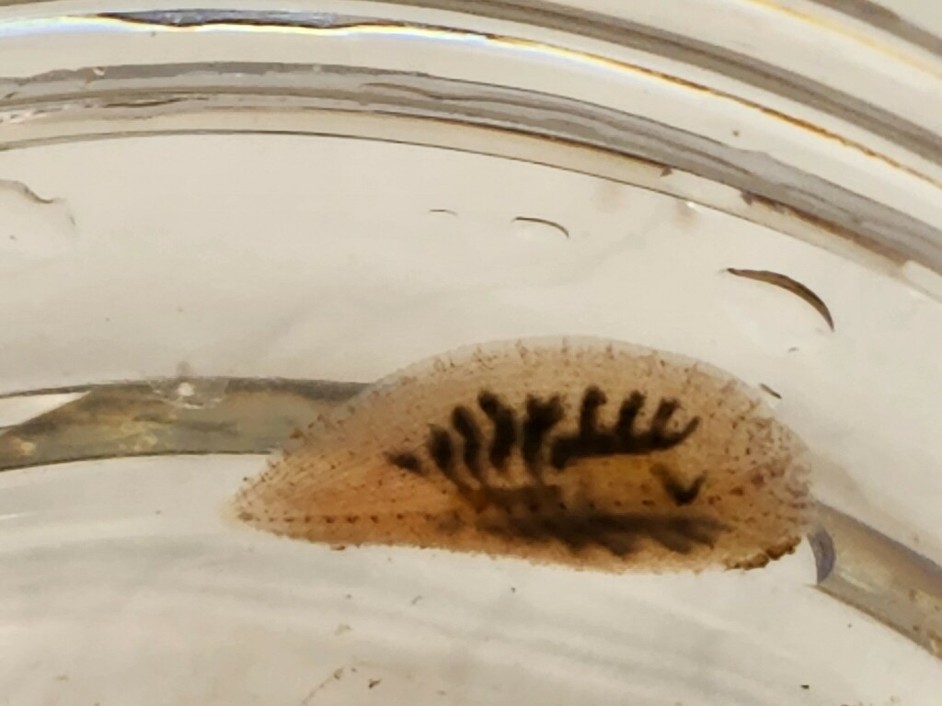
Picture taken at Sweetwater Creek, Frankston on 11.09.2022
Subclass: Oligochaeta Worms
Order: Crassiclitellata Earthworms
Family: Lumbricidae Typical Earthworms
Eisenia sp. _ Freshwater Red Worm - VICTORIAN SPECIES Oligochaeta sp. _ Freshwater Worm - VICTORIAN SPECIES
.jpg)
.jpg)
Picture taken at Sweetwater Creek, Frankston on 11.09.2022 Picture taken at Sweetwater Creek, Frankston on 11.09.2022
Class: Polychaeta (pol-ee-keets) Marine worms
Subclass: Echiura Spoon Worms
Ikeda taenioides_Sand Worm - VICTORIAN SPECIES
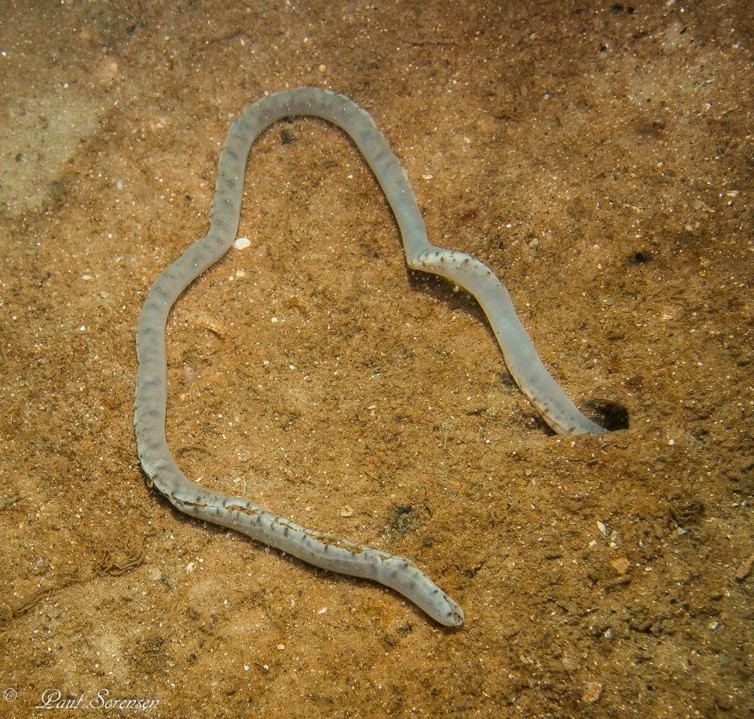
Frankston Pier_Photo by Paul Sorensen
Subclass: Errantia - Free Swimming Worms
Eunicidae sp._Eunicidae - VICTORIAN SPECIES
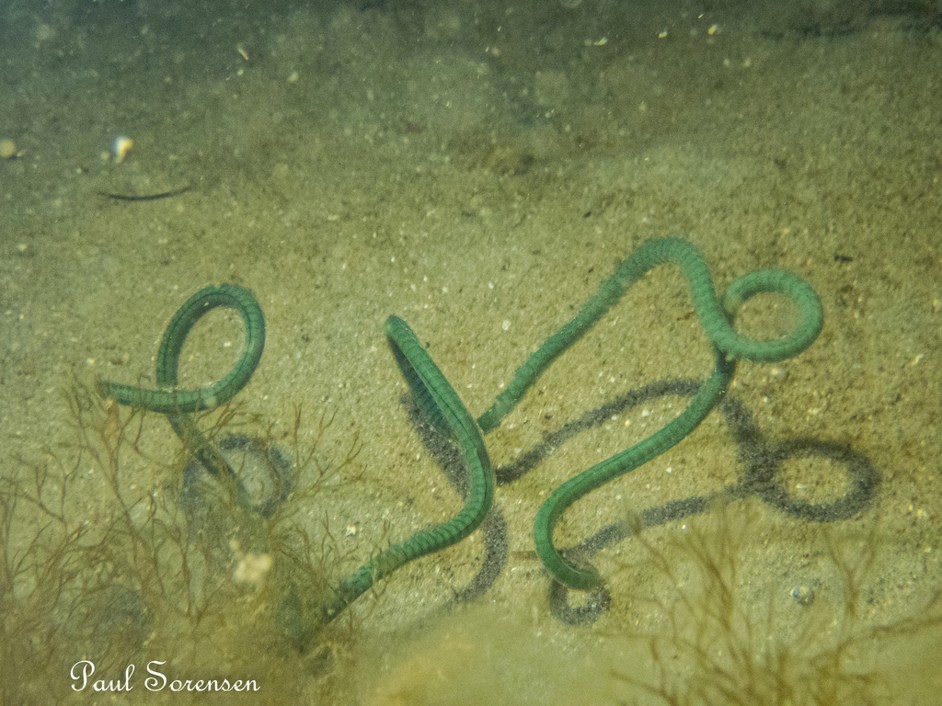
Blairgowrie Pier_Photo by Paul Sorensen
Aphrodita australis_Southern Sea Mouse - VICTORIAN SPECIES
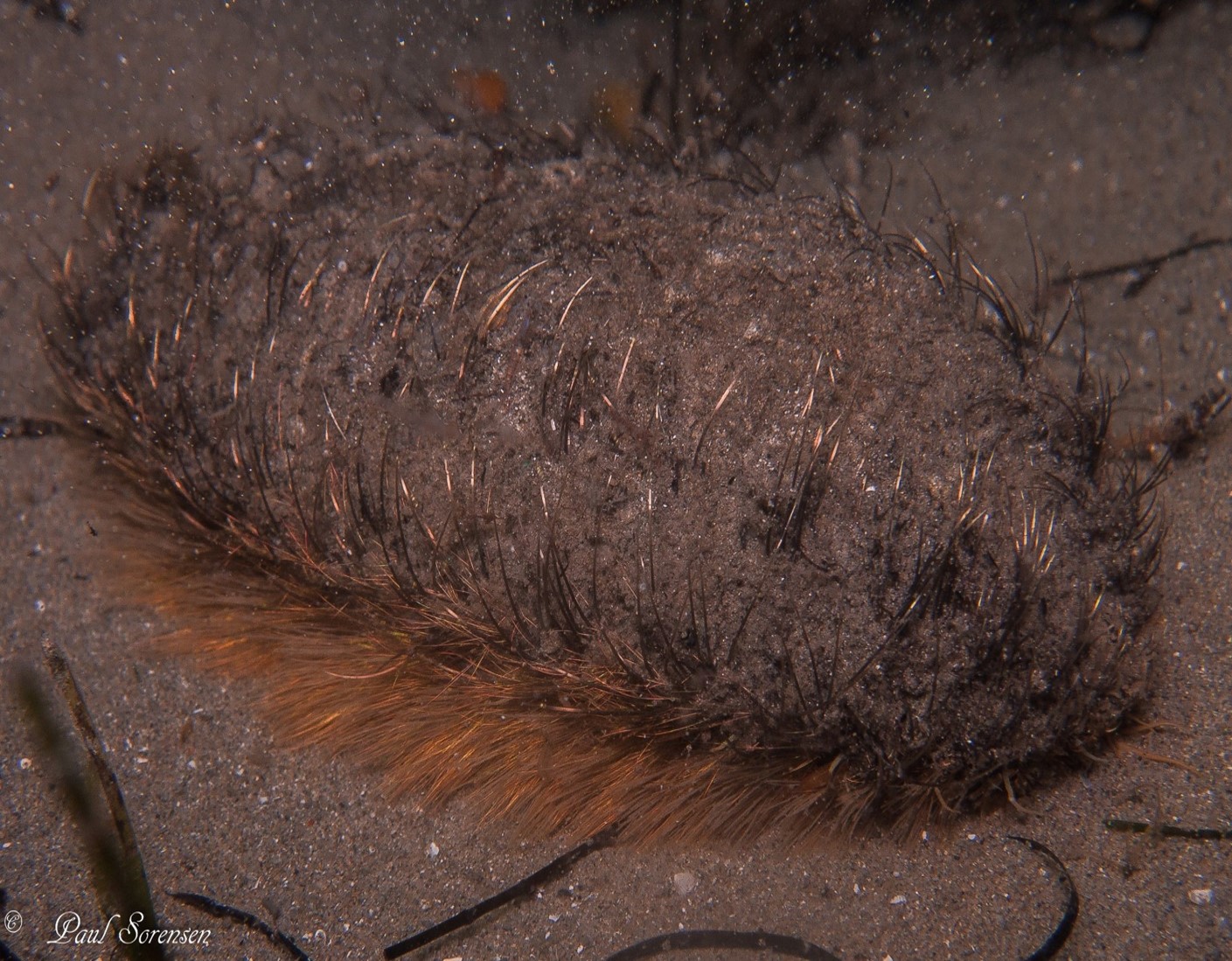
Picture taken at Blairgowrie Pier on 04.10.2023
Glycera sp._Annelid - VICTORIAN SPECIES Hesionidae sp._Ragworm - VICTORIAN SPECIES
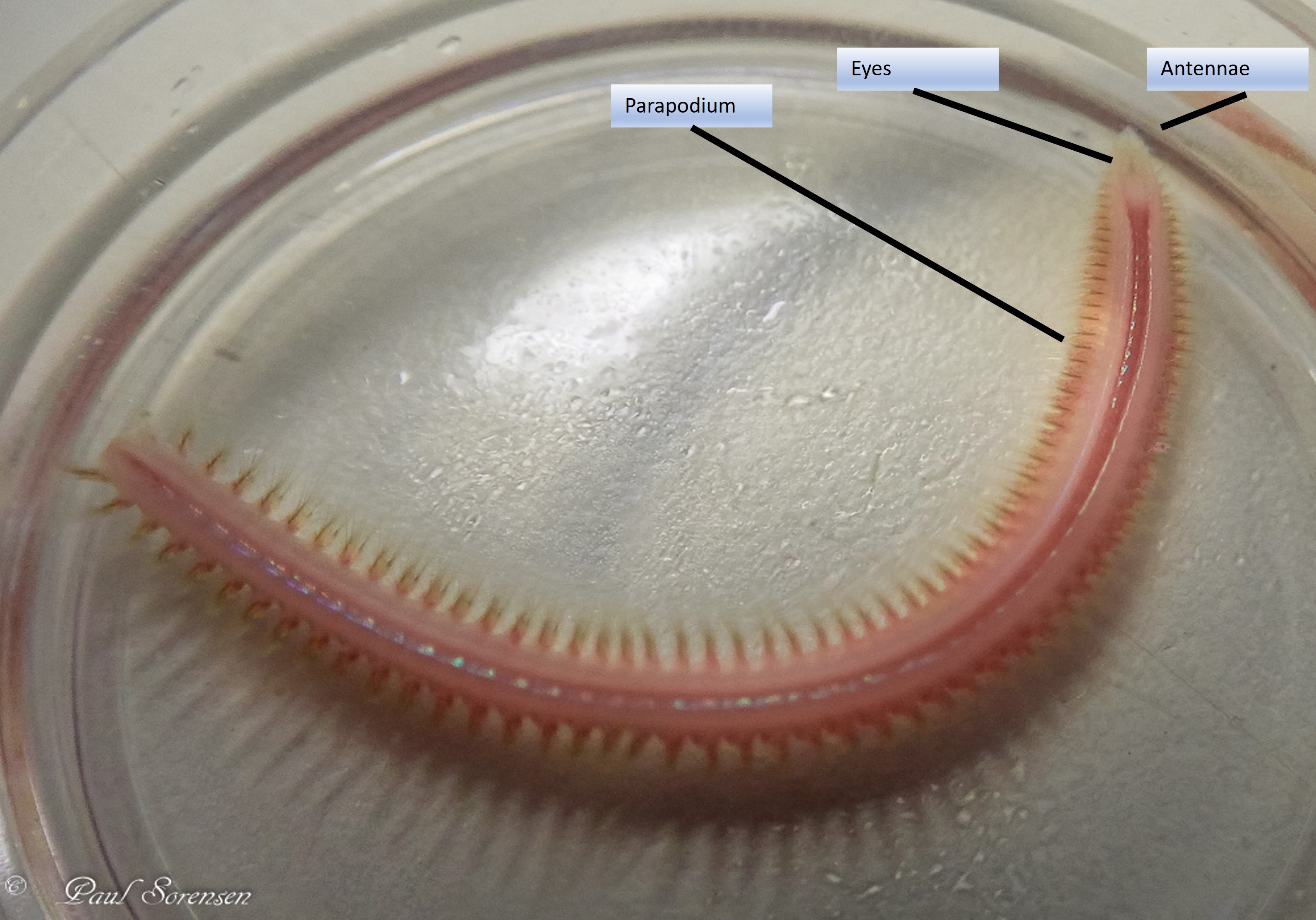
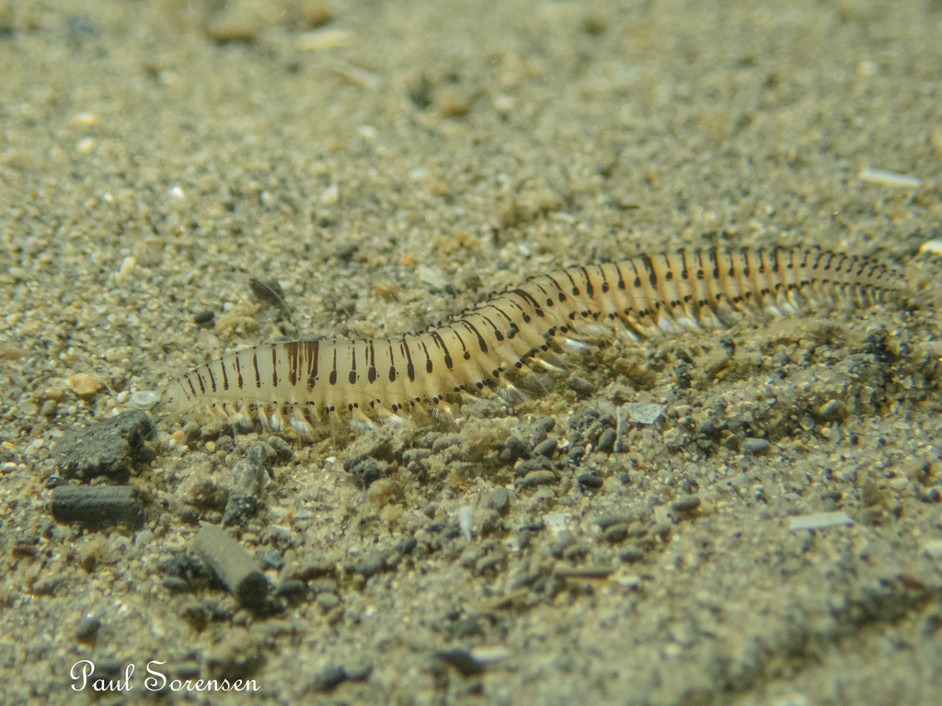
Deakin University_Photo by Paul Sorensen Blairgowrie Pier_Photo by Paul Sorensen
Subclass: Errantia - Free Swimming Worms
Sabella spallanzanii_Fan Worm - VICTORIAN SPECIES
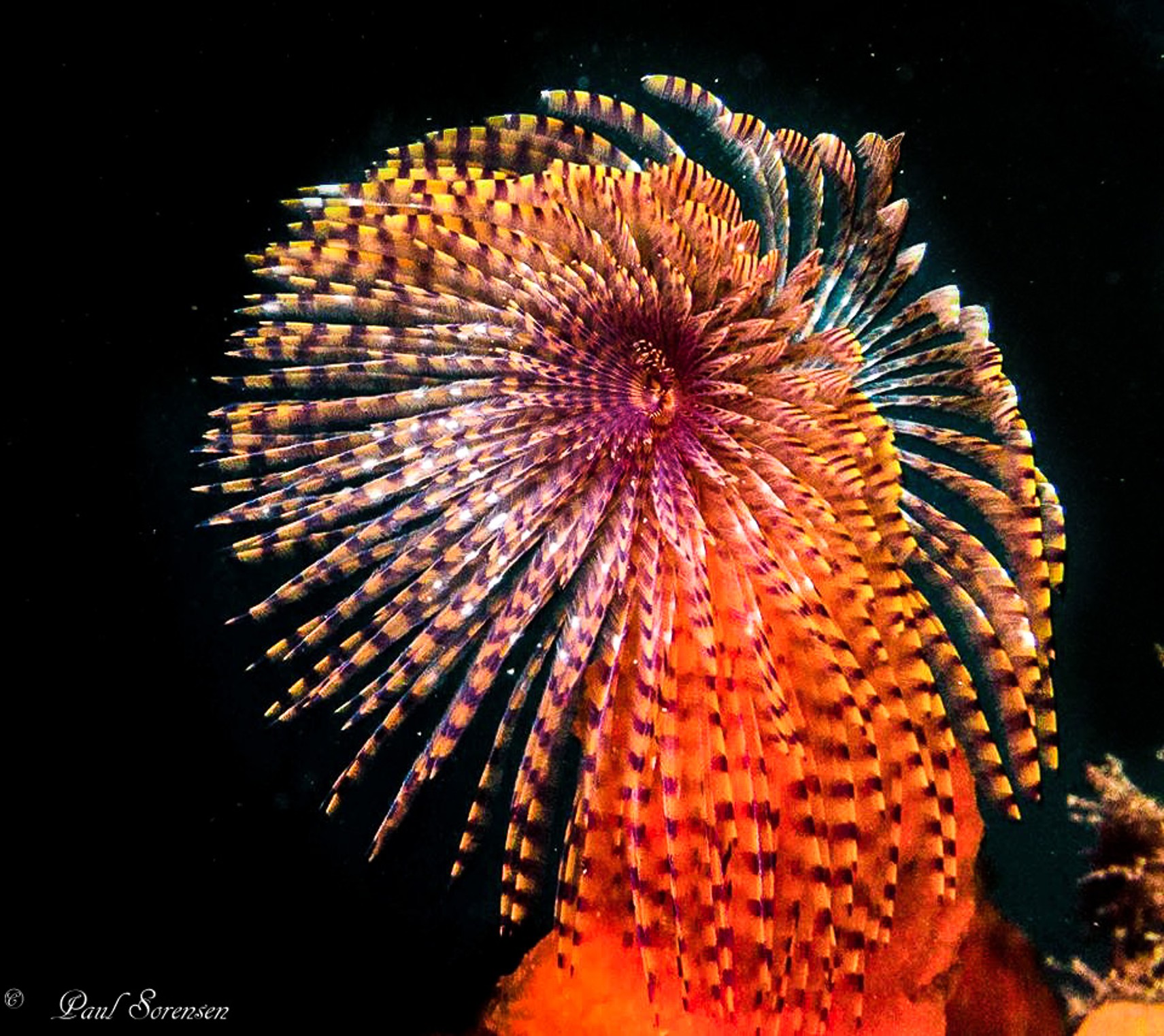
Blairgowrie Pier_Photo by Paul Sorensen
Order: Sipuncula - Peanut Worms
Phascolosoma noduliferum_Peanut Worm
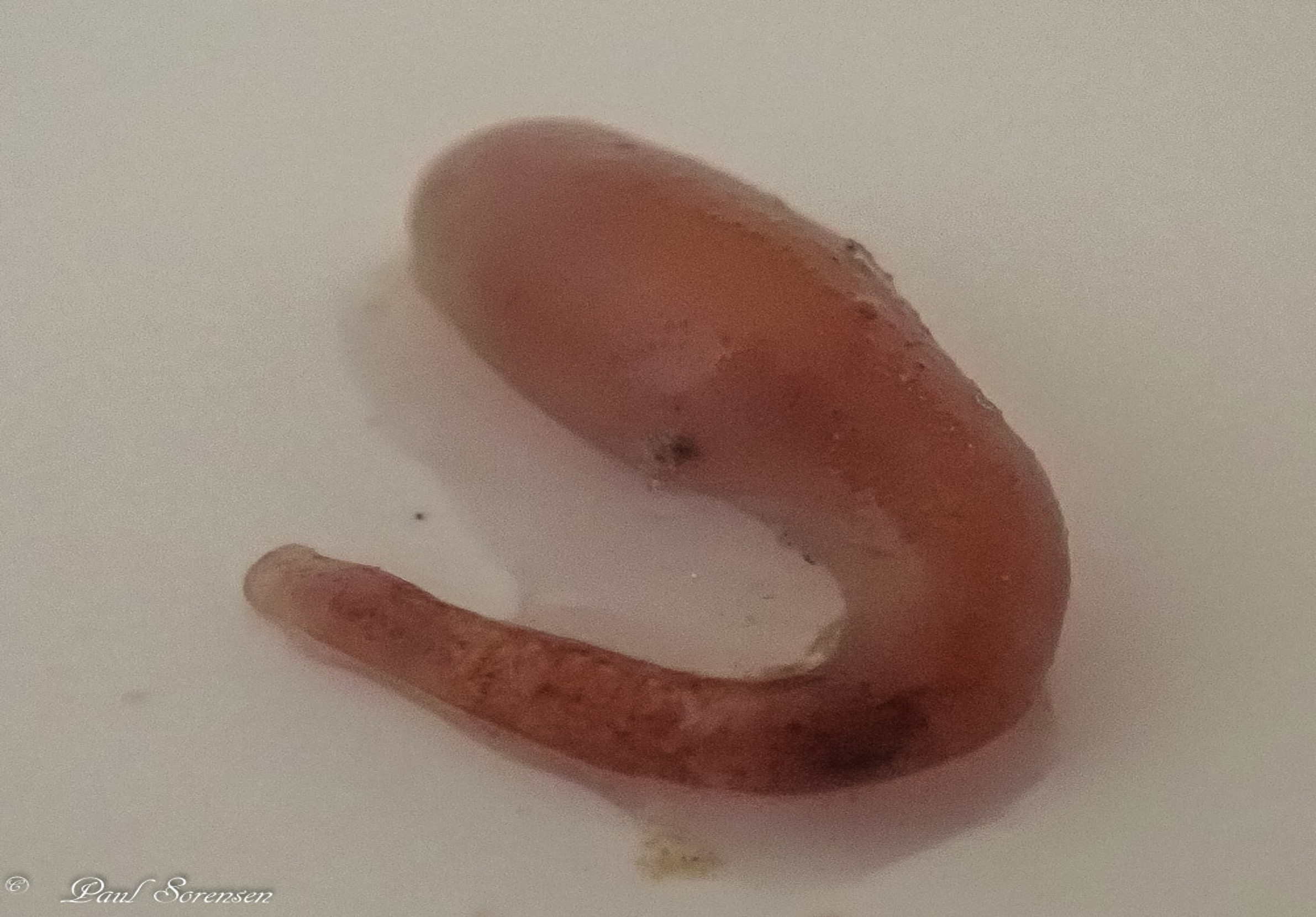
Deakin University_Photo by Paul Sorensen
OTHER SPECIES
Anelassorhynchus porcellus _ Spoonworm
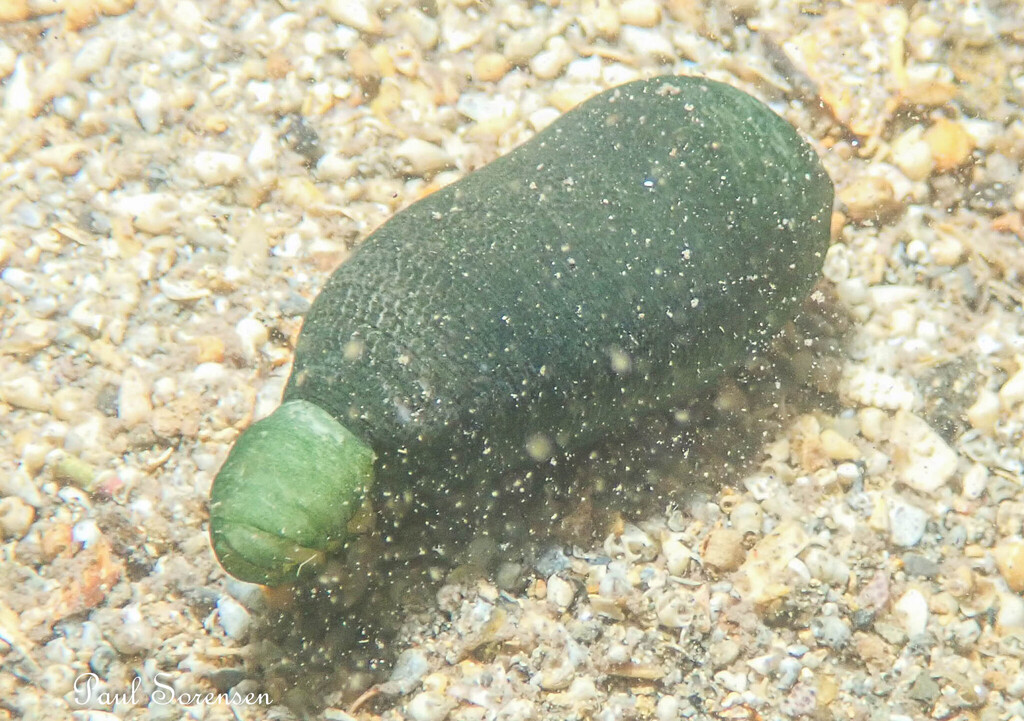
Picture taken Edithbugh, South Australia on 10.07.2025
Sipunculus sp. _ Peanut Worm
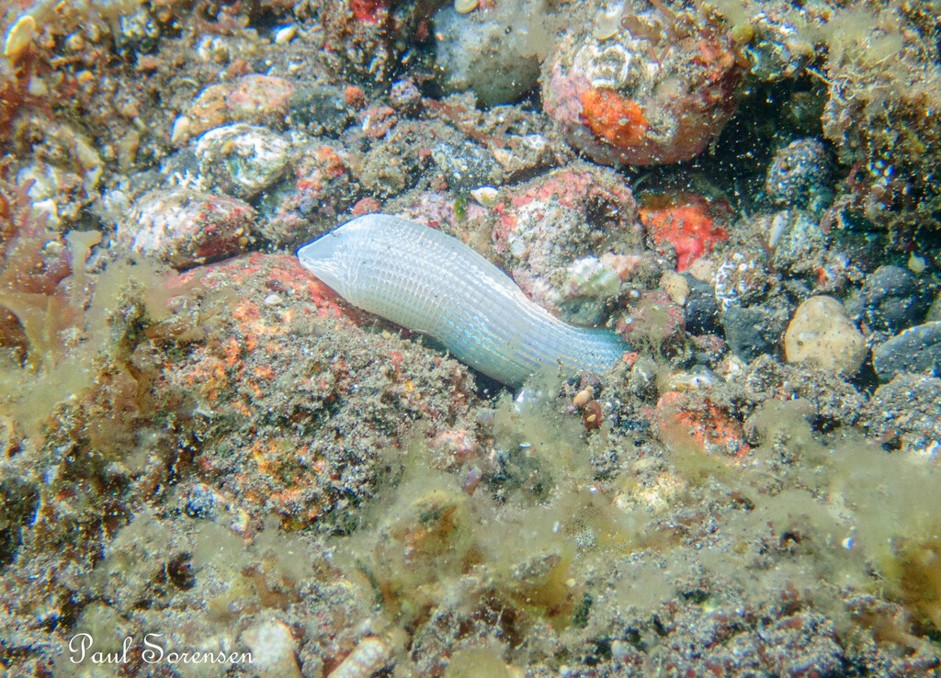
Picture taken Amed, Indonesia on 10.07.2025